Is Pla Filament UV Resistant?
1.Quick Answer: No

PLA filament is NOT UV resistant.
It degrades under sunlight over time.
2. What happens when PLA is exposed to UV?
When PLA is exposed to UV (sunlight), it undergoes photodegradation:
Color fading (especially bright colors)
Surface becomes brittle
Loss of mechanical strength
Cracking over time
It looks fine at first, then slowly becomes weak and chalky.
3.How fast does PLA degrade outdoors?-It depends on exposure
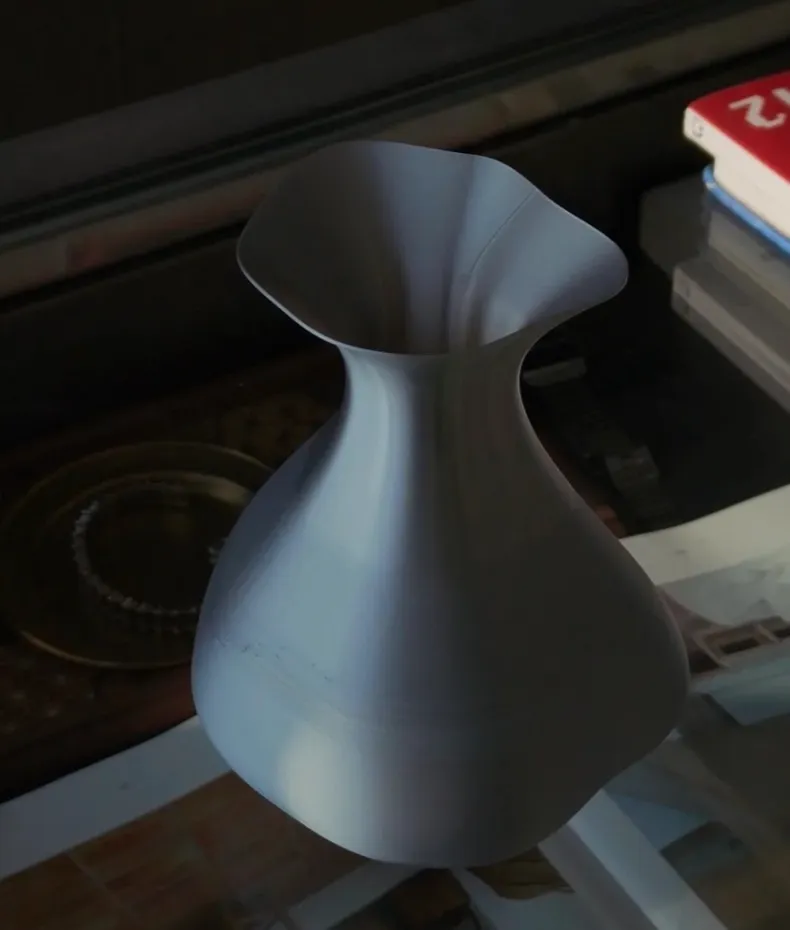
Indoor (no UV)
PLA remains stable for years when kept indoors without UV exposure, maintaining its strength and appearance.
Indirect sunlight
Under indirect sunlight, PLA degrades slowly over time, with gradual changes that are not immediately noticeable.
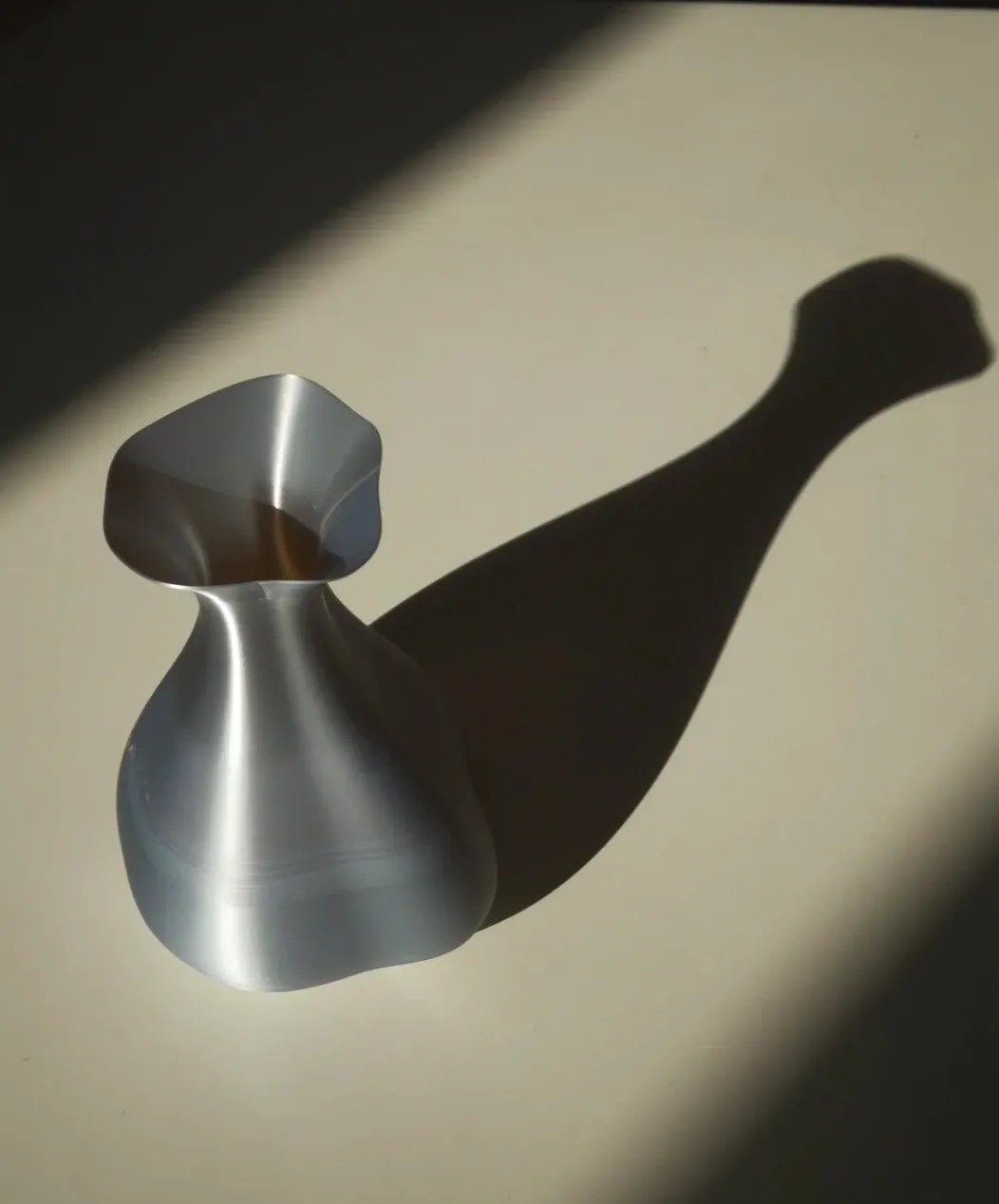
Direct outdoor sunlight
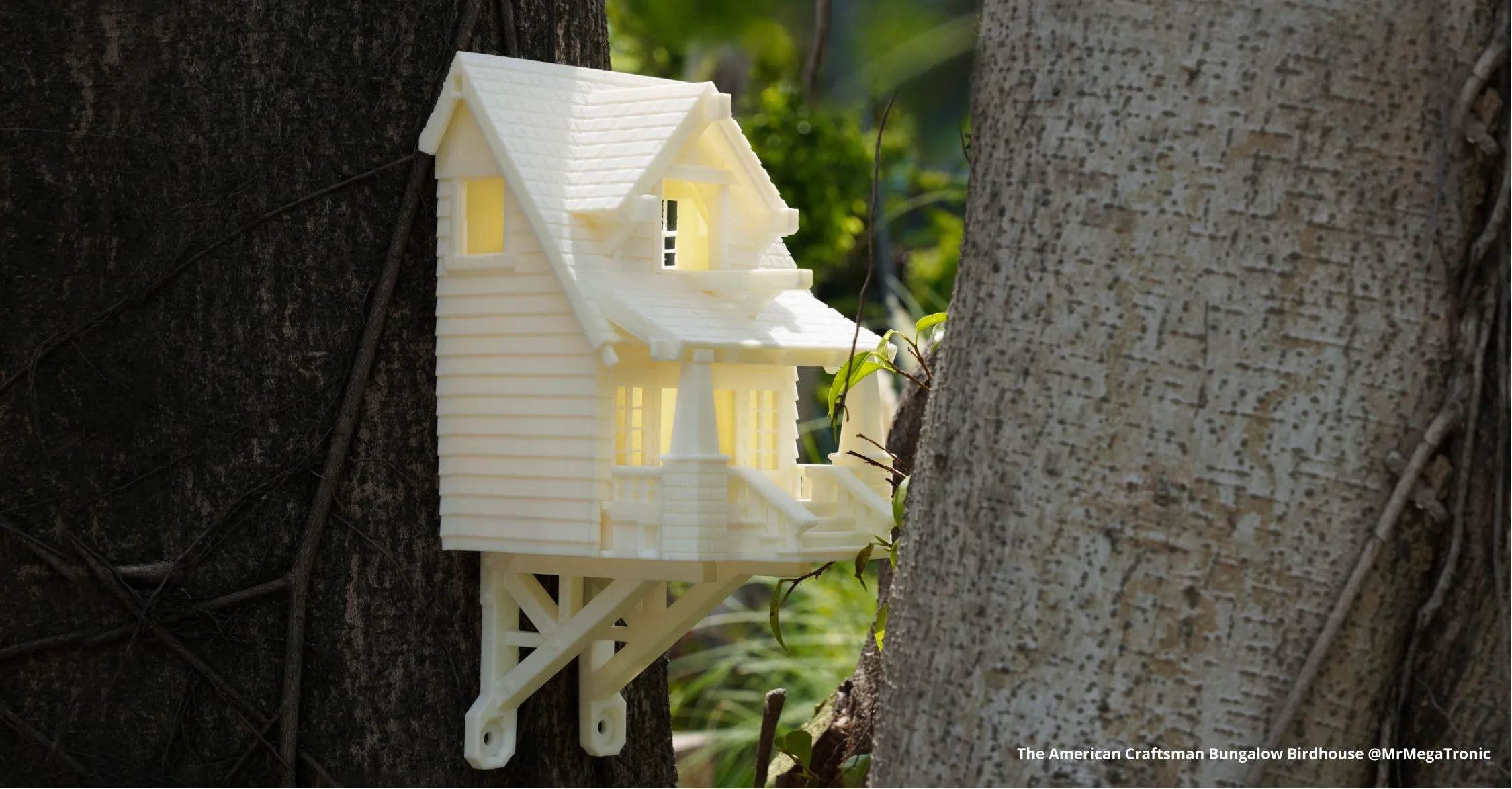
When exposed to direct outdoor sunlight, PLA begins to show visible damage within weeks to months.
Strong sun (e.g., summer exposure)
In strong sunlight, PLA can fade within weeks and become brittle within 1–3 months, leading to cracking and strength loss.
4. Are there “UV-resistant PLA” options?
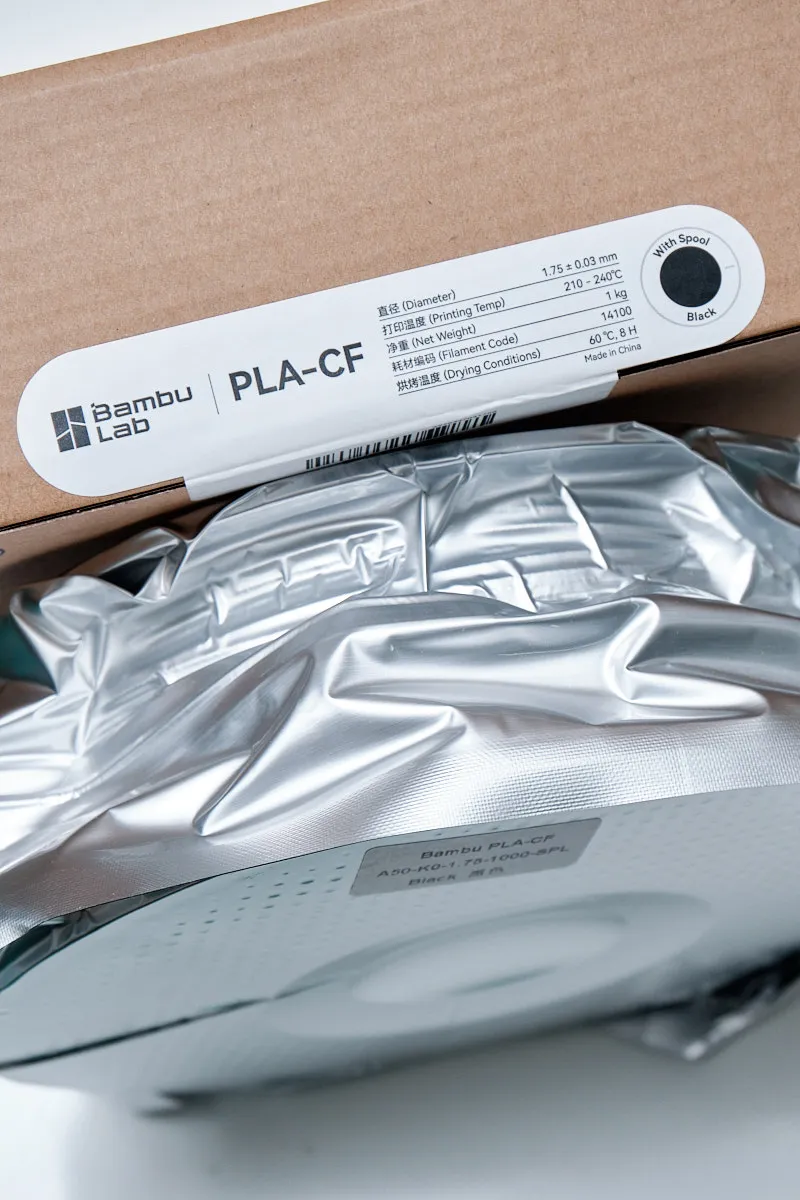
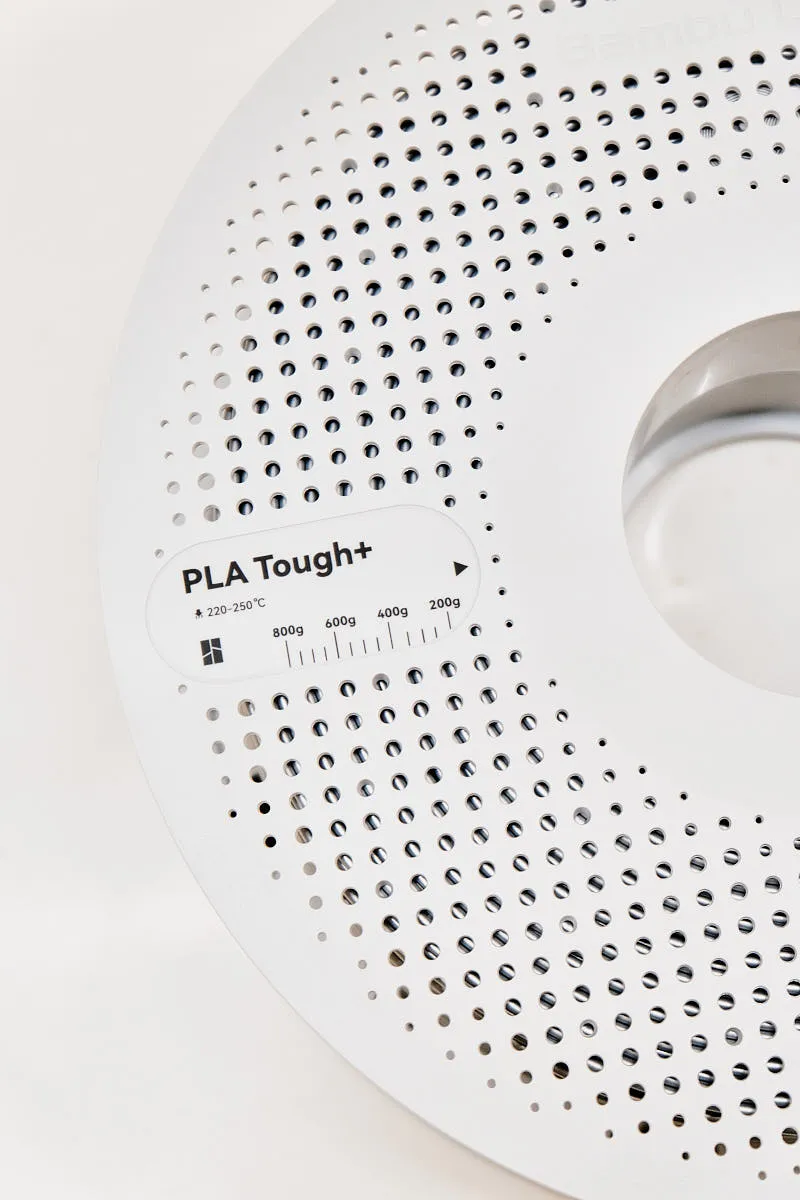
Yes, but with limits: Modified PLA (PLA+ / UV-stabilized PLA)
Additives improve UV resistance
Slower degradation
Still not truly outdoor-grade
“less bad,” not “UV-proof”
5. Better alternatives for outdoor use
| Material | UV Resistance | Notes |
|---|---|---|
| ASA | ⭐⭐⭐⭐⭐ | Excellent UV resistance, best choice for outdoor applications |
| Polycarbonate (PC) | ⭐⭐⭐⭐ | High durability, UV resistant grades available, strong and heat-resistant |
| ABS | ⭐⭐⭐ | Moderate UV resistance, may yellow and degrade over time outdoors |
| PETG | ⭐⭐⭐ | Better UV resistance than PLA, suitable for short to mid-term outdoor use |
| Nylon (PA) | ⭐⭐⭐ | Moderate UV resistance, may degrade and lose strength with long exposure |
| TPU | ⭐⭐⭐ | Flexible material, decent UV resistance but can degrade over time |
| PLA+ | ⭐⭐ | Improved over standard PLA but still not suitable for long-term UV exposure |
| PLA | ⭐ | Poor UV resistance, degrades quickly under sunlight |
| PVA | ⭐ | Water-soluble material, very poor UV and environmental resistance |
Conclusion
PLA filament is not UV resistant and will gradually degrade when exposed to sunlight, leading to fading, brittleness, and reduced strength. While it performs well for indoor prints, it is not suitable for long-term outdoor use. If UV resistance is important, materials like ASA, ABS, or PETG offer significantly better durability.
Additional Questions You Might Have (FAQ)
Is PLA Plus UV resistant?
PLA+ offers slightly improved durability compared to standard PLA, but it is still not UV resistant. Long-term sunlight exposure will still cause degradation.
Is PETG filament UV resistant
PETG has better UV resistance than PLA and can handle short to mid-term outdoor use. However, it will still degrade over extended exposure.
Best UV resistant filament
ASA is generally considered the best UV resistant filament for outdoor applications due to its excellent weather and UV stability.
Is ABS filament UV-resistant?
ABS has moderate UV resistance but can yellow and become brittle over time. It is suitable for limited outdoor use but not long-term exposure.
No, but it still produces ultrafine particles during printing, and ventilation is recommended.
OEM & Wholesale Filament Services by VoxelFuse3D
Private label and OEM filament manufacturing
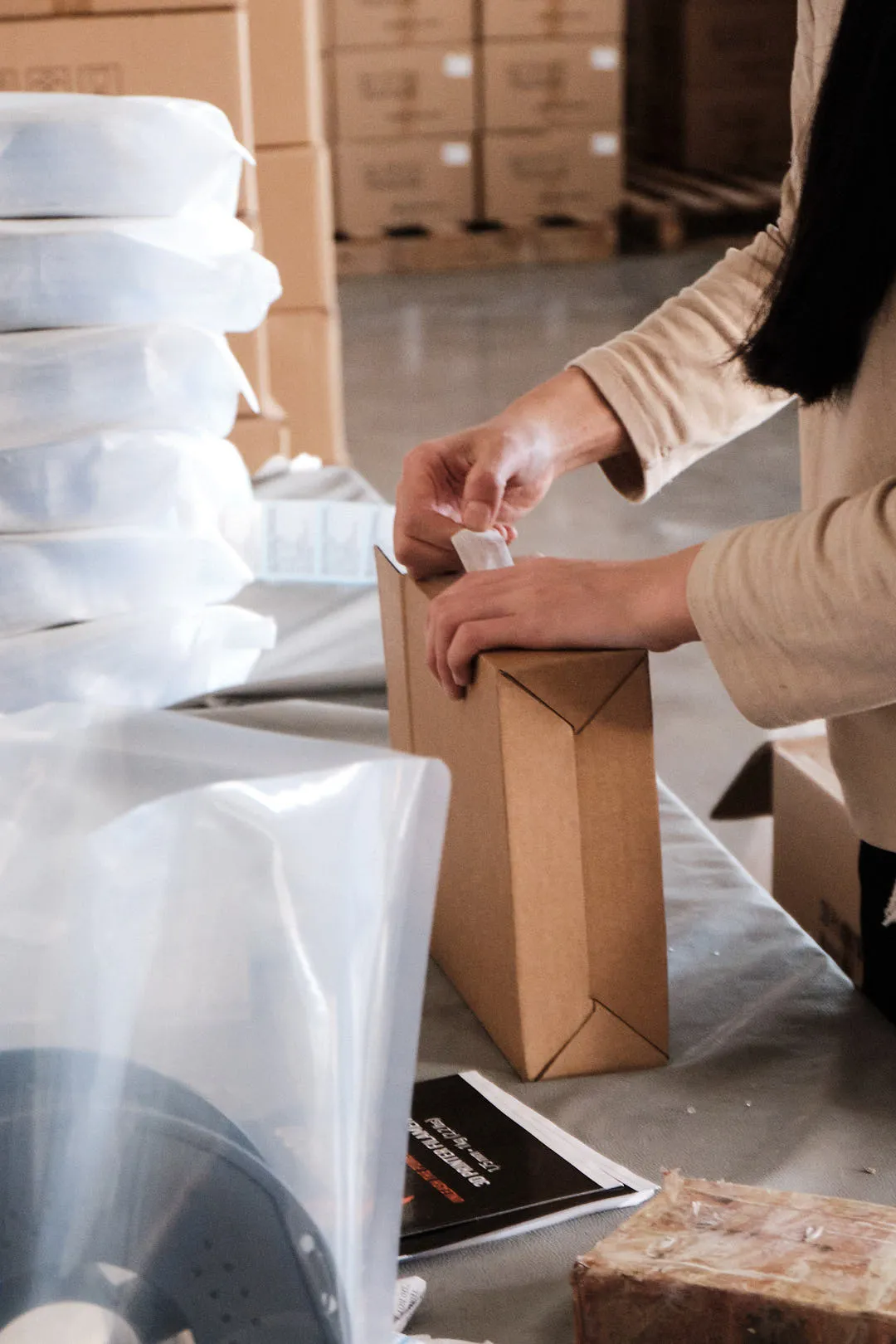
VoxelFuse3D provides OEM and private label filament manufacturing for brands and distributors.
Services include material selection, color formulation, diameter specification, packaging, and branding, with production managed under controlled manufacturing standards.
Wholesale supply of established filament brands
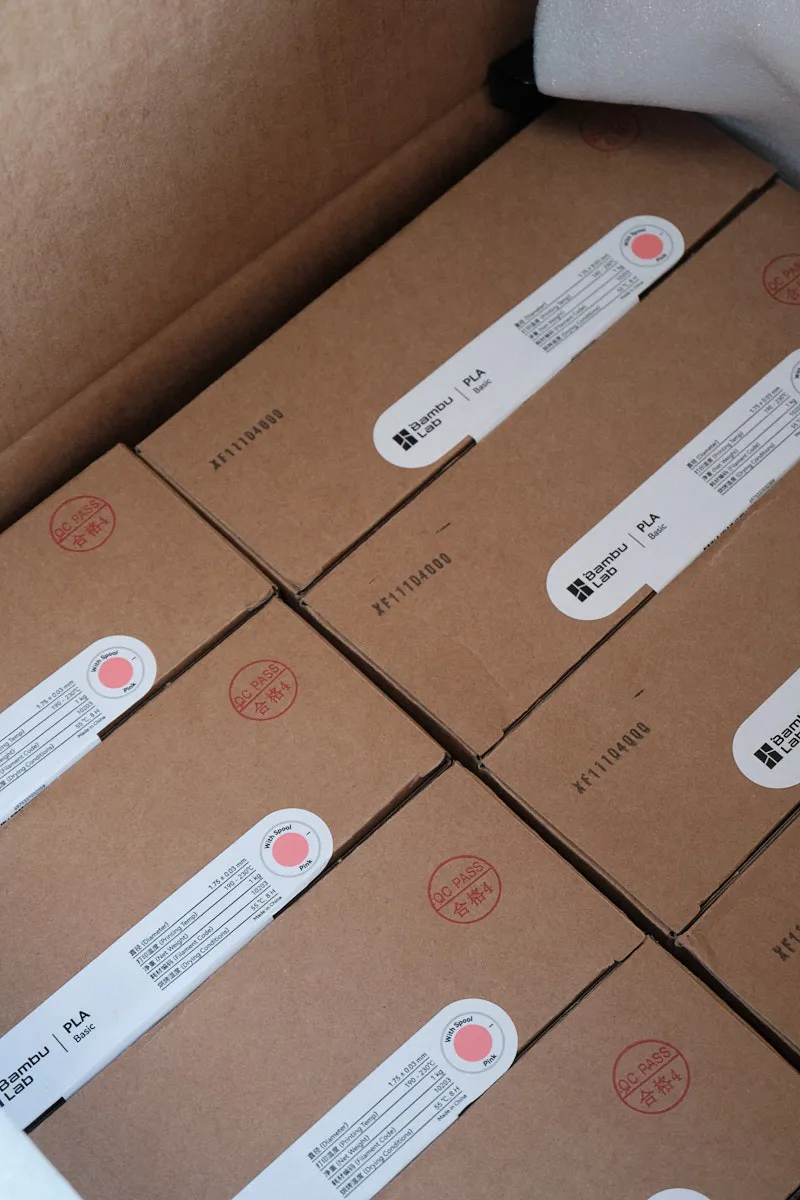
VoxelFuse3D provides OEM and private label filament manufacturing for brands and distributors.
Services include material selection, color formulation, diameter specification, packaging, and branding, with production managed under controlled manufacturing standards.
Professional sourcing with stable pricing and quality assurance
VoxelFuse3D provides OEM and private label filament manufacturing for brands and distributors.
Services include material selection, color formulation, diameter specification, packaging, and branding, with production managed under controlled manufacturing standards.