Is 3D Printer Filament Toxic? Health Risks, Fumes & Safety Guide (2026)
Is 3D printer filament toxic?
From a technical perspective, desktop 3D printing is a small-scale manufacturing process.
It involves heating thermoplastics to high temperatures, altering their physical state, and continuously releasing ultrafine particles (UFPs) and volatile organic compounds (VOCs) into the surrounding air.
These emissions are often invisible and may not cause immediate symptoms, but exposure can accumulate over time—especially in poorly ventilated indoor environments.
Different filaments, including PLA, ABS, PETG, and Nylon, vary significantly in their emission profiles.
Understanding what is released during printing—and under what conditions—is essential for evaluating real health risk rather than relying on marketing claims.
1. 3D Printing Is Fundamentally a “Manufacturing Activity”
3D printing, in essence, is a form of manufacturing.
No matter how much it looks like a “desktop device,” its core nature remains:
Heating materials
Changing the physical state of matter
Generating particles and chemical emissions
Operating continuously over a period of time
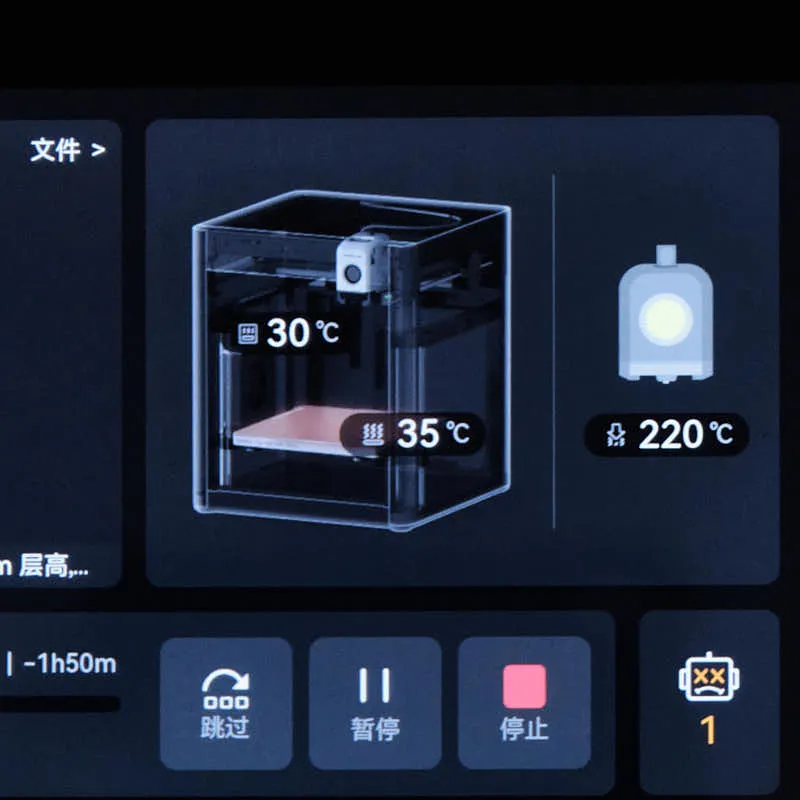
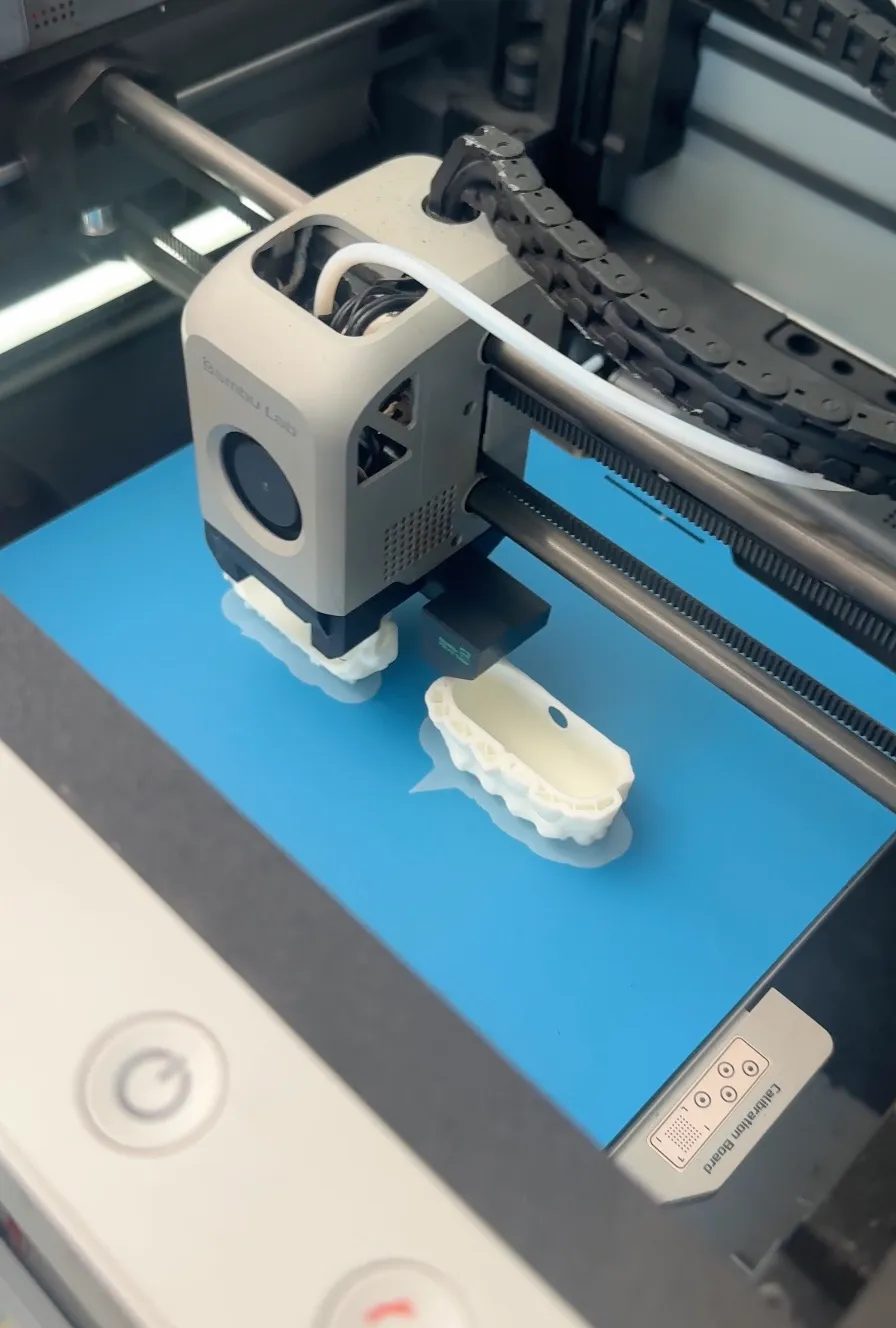
This means it does not belong to the same category as printers or monitors.
It is closer to a scaled-down manufacturing workstation placed indoors.
In industrial and research environments, such workstations typically include:
Ventilation systems
Engineering enclosures
Operational protocols
Safety training
However, when the same technology enters homes and offices, these conditions often do not exist.
2. Why Are the Risks of 3D Printing Often Underestimated?
2.1. Because the Risks Are “Invisible.”
They cannot be seen (ultrafine particles, airborne chemicals)
They may not have a strong smell
They do not cause immediate, intense reactions
Exposure is typically long-term and low-dose
Unlike acute injuries, these exposures do not immediately signal danger.
But the absence of discomfort does not mean the absence of exposure
2.2 Because Consumer Products Rarely Emphasize Risk
In most consumer-grade 3D printer marketing, the focus is on:
Creativity
Education
Ease of use
Family-friendliness
Meanwhile, potential emissions during printing—such as:
Ultrafine particles (UFP)
Volatile organic compounds (VOCs)
Resin contact and solvent exposure
—are often briefly mentioned or completely omitted.
This creates an illusion:
“If 3D printing were harmful, it would surely be clearly stated.”
But lack of explanation does not equal lack of risk.
3. FDM Printing Is More Than “Just a Plastic Smell”
In consumer 3D printing, FDM (Fused Deposition Modeling) is the most common method—and also the most underestimated.
It appears to simply melt plastic and stack it layer by layer.
However, from the perspective of air pollution and occupational exposure, FDM printing is fundamentally a thermal processing activity that continuously releases:
Ultrafine particles (UFPs)
Volatile organic compounds (VOCs)
3.1.Ultrafine Particles (UFP)
UFP (Ultrafine Particles) are typically defined as particles smaller than 100 nanometers (nm) in diameter.
For comparison:
Human hair diameter ≈ 70,000–100,000 nm
PM2.5 ≈ 2,500 nm
UFP < 100 nm
3.1.1. Why Do UFPs Affect Human Health?
There are few studies directly stating “3D printing causes specific diseases.”
However, the health effects of UFPs are well-documented in broader research fields:
Air pollution studies
Occupational exposure research
In environmental and medical research, UFPs are considered more hazardous than larger particles.
Reasons include:
They can penetrate deep into the alveoli
Some can pass into the bloodstream
Their large surface area allows them to carry more chemicals
They are more difficult for the body to clear
Long-term exposure at moderate to high concentrations may lead to:
Chronic airway inflammation
Coughing
Chest tightness
Breathing discomfort
Worsening asthma and allergic rhinitis
Large-scale air pollution studies have also found associations between UFP exposure and:
Systemic inflammatory responses
Impaired vascular endothelial function
Increased risk of cardiovascular events
These effects do not appear immediately,
but accumulate through repeated, long-term exposure.
3.1.2. Comparison of UFP Emissions by Material
Emission risk ranking:
PLA < PETG < TPU < ABS < Nylon
Risk level:
Low → Medium → Medium → High → Very High
The emission rate describes how fast a device “produces pollution.”
Even if you cannot smell anything,
Continuous emissions combined with poor ventilation allow particle concentrations to accumulate.
Desktop FDM printers can emit:
10¹⁰ – 10¹¹ particles per minute
Differences between materials can vary by more than an order of magnitude.
UFP Concentration Comparison (particles/cm³)
| Environment / Source | Typical UFP Concentration | Relative Pollution Level | Primary Emission Source | Duration Pattern | Health Exposure Context |
|---|---|---|---|---|---|
| Cleanroom / High-Quality Filtration | < 1,000 particles/cm³ | Very Low | HEPA / Industrial Filtration | Continuous Controlled | Minimal exposure baseline |
| Outdoor Clean Air (Suburban) | ~1,000–3,000 particles/cm³ | Low | Natural background / minor traffic | Ambient | Typical environmental baseline |
| Typical Indoor Air (No Pollution Source) | ~3,000–10,000 particles/cm³ | Moderate | Indoor human activity | Stable background | Common indoor exposure |
| Busy Roadway (Vehicle Exhaust) | ~20,000–60,000 particles/cm³ | High | Combustion engine emissions | Peak during traffic | Urban pollution comparison |
| Cooking (Oil Fumes) | ~20,000–50,000 particles/cm³ | High | Thermal oil aerosolization | Short-term spikes | Kitchen exposure event |
| Candle / Incense Burning | ~30,000–100,000 particles/cm³ | High to Very High | Combustion soot particles | Event-based | Indoor combustion exposure |
| Near an FDM Printer | ~40,000–80,000+ particles/cm³ | High | Heated thermoplastic extrusion | Sustained during print job | Desktop manufacturing exposure |
| Around a Smoker | ~100,000–1,000,000 particles/cm³ | Very High | Tobacco combustion | Acute high peak | Second-hand smoke exposure |
| High-Emission ABS / Nylon Printing | Approaching or >100,000 particles/cm³ | Very High | High-temperature polymer extrusion | Extended print duration | Elevated indoor manufacturing risk |
3.2.Volatile Organic Compounds (VOC)
In addition to particles, FDM printing releases various VOCs (volatile organic compounds).
VOC Characteristics by Material
| Material | Main VOC | VOC Category | Primary Exposure Effect | Irritation Level | Long-Term Risk Profile |
|---|---|---|---|---|---|
| PLA | Lactide and related compounds | Organic esters | Odor presence, mild airway sensitivity | Low | Generally low under proper ventilation |
| PETG | Various VOCs | Mixed organic compounds | Moderate respiratory irritation | Medium | Dependent on concentration & ventilation |
| ABS | Styrene | Aromatic hydrocarbon | Neurological irritation, dizziness | High | Potential long-term toxicity (possible carcinogen) |
| Nylon | Caprolactam | Lactam compound | Respiratory tract irritation | Medium to High | Prolonged exposure may affect airway health |
3.2.1.Health Effects of VOC Exposure (VOC)
Short-Term Irritation
Eye irritation
Nasal and throat irritation
Nausea
Unpleasant odor
Nervous System Effects
Headache
Dizziness
Slowed reaction
Long-Term Risks
Styrene (ABS): neurotoxic substance, classified as “possibly carcinogenic”
Formaldehyde: classified by IARC as a Group 1 carcinogen
4. PLA Has Lower Risk — But Is It Harmless?
PLA prints at lower temperatures,
produces significantly fewer UFPs than ABS or Nylon,
and emits fewer and lower total VOCs.
Therefore, it is considered safer.
However:
Low ≠ Zero.
PLA still releases ultrafine particles.
VOCs can accumulate in poorly ventilated spaces.
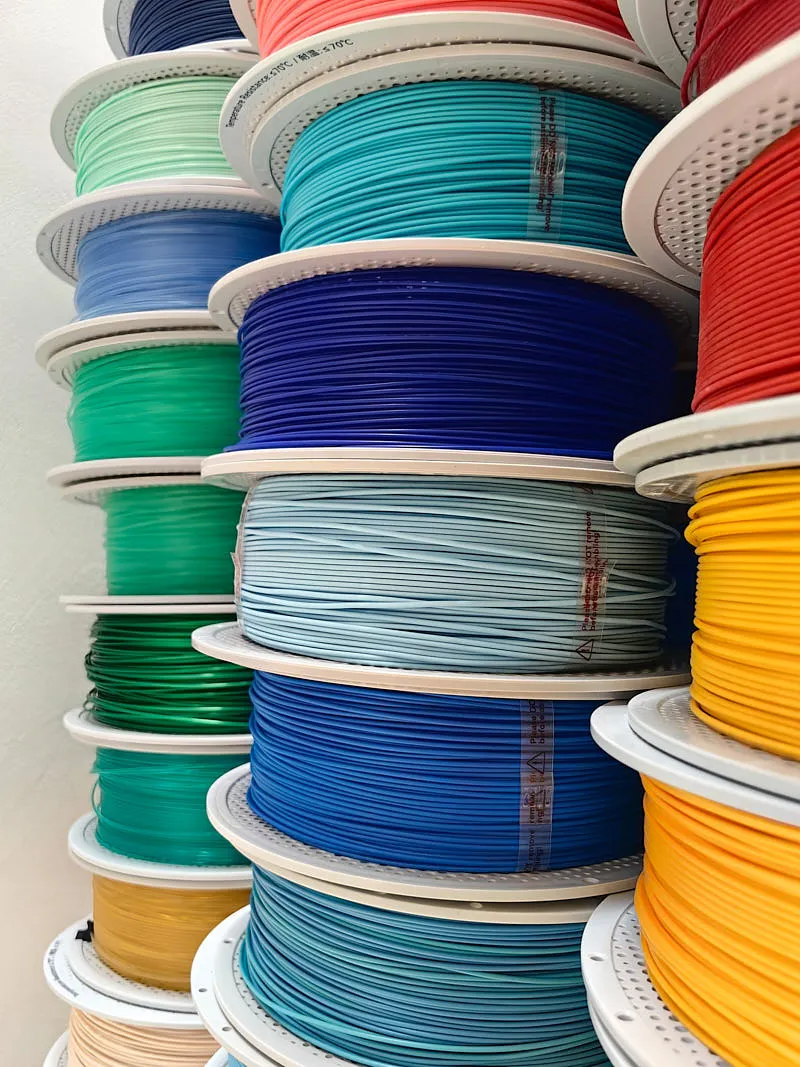
The hazard of UFPs depends more on particle size and quantity
than on whether the material is “natural” or “biodegradable.”
Placing an FDM printer in a bedroom or on a desk
is comparable to working for hours in an environment close to roadside exhaust or long-term cooking fumes.
The difference is:
You know exhaust and oil fumes are unhealthy.
You may never have been told that 3D printing belongs to the same category of issue.
5. Resin (SLA) Printing Should Be Treated as a Chemical Operation
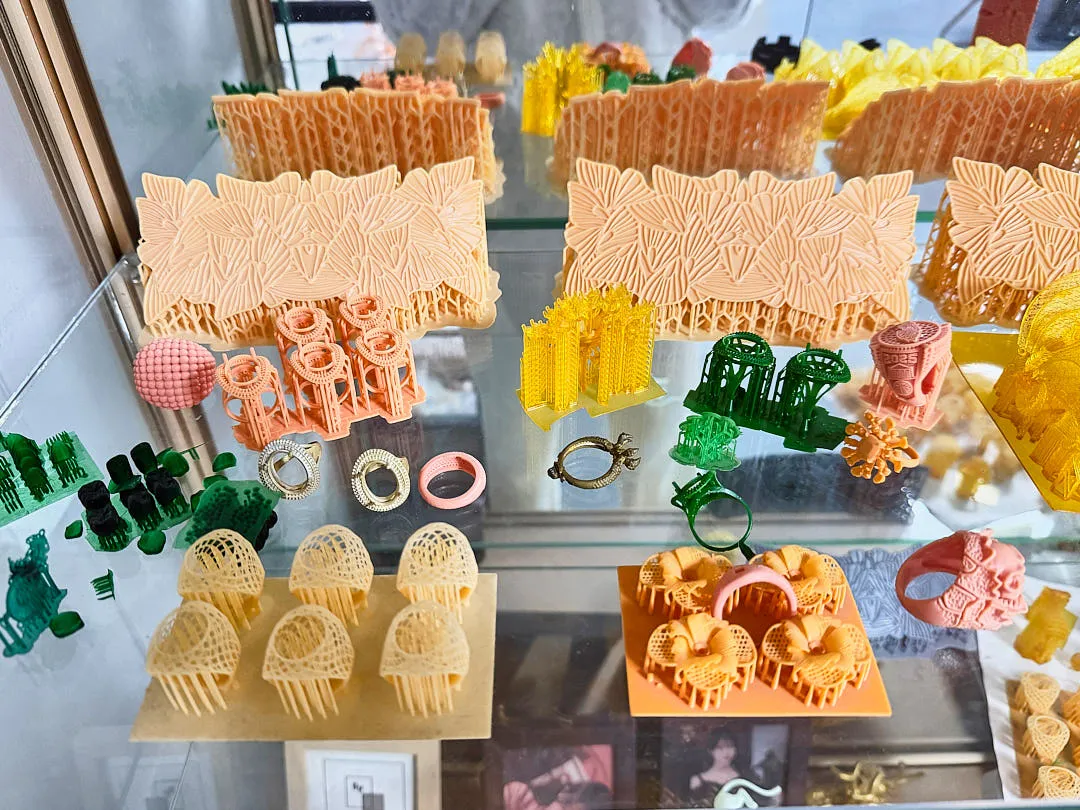
If FDM risks primarily come from inhalation,
Resin printing involves three simultaneous exposure pathways:
Skin and eye contact with uncured resin
Inhalation of resin and solvent-released VOCs
Short-term high-intensity chemical exposure during post-processing
This is why, in occupational health and laboratory management,
resin printing resembles a chemical workstation rather than a simple device.
5.1.What Happens When Resin Contacts the Body?
Common Exposure Risks
| Exposure Area | Common Scenario | Primary Exposure Type | Possible Consequences | Severity Level | Long-Term Risk Potential |
|---|---|---|---|---|---|
| Hands | Bare contact with resin | Direct skin exposure | Redness, itching, dermatitis | Moderate | Possible chronic skin sensitivity |
| Wrist / Forearm | Gloves not fully covering | Partial skin exposure | Repeated localized dermatitis | Moderate | Cumulative irritation over time |
| Eyes | Splashing or wiping errors | Chemical contact | Severe irritation, corneal damage | High | Potential long-term eye injury |
| Face | Cleaning / drying vapors | Vapor inhalation & skin exposure | Irritation, discomfort | Low to Moderate | Dependent on ventilation conditions |
5.2.Why Is the Post-Processing Stage the Most Dangerous?
Research shows VOC peaks during resin printing do not occur during printing itself, but during post-processing.
5.2.1. Resin Printing Workflow
Print → Remove part → IPA wash → Air dry → Post-cure
During this process:
Isopropyl alcohol (IPA) evaporates heavily
Uncured resin dissolves and releases chemicals
VOCs rapidly enter the air in concentrated bursts
5.2.2. TVOC Levels by Stage
Printing: Low
Part removal: Medium
IPA washing/drying: Highest
Post-curing: Medium
Studies have measured:
TVOC peaks exceeding 30 mg/m³ during IPA washing and drying.
5.2.3. Comparison of Typical TVOC Levels
| Environment | TVOC |
|---|---|
| Outdoor Clean Air | < 50 |
| Typical Indoor Environment | ~10–100 |
| Newly Renovated Room | ~300–1000 |
| Resin IPA Washing Peak | ~30,000+ |
Instantaneous VOC levels during resin post-processing
can exceed normal indoor environments by more than 300 times.
5.2.4. Why Resin Printing Is Less Suitable for Home Environments
Resin 3D printing is fundamentally a chemical handling process.
Most home environments are not equipped to safely support such operations.
The issue is not whether resin printing has risks,
but that it simultaneously introduces:
Skin exposure
Solvent evaporation
Short-term high-concentration VOC exposure
These three factors enter a setting
that typically lacks chemical safety management.
In laboratories or industrial settings,
these safety conditions are assumed.
In homes, achieving them requires deliberate, continuous, and additional effort.
6. Comparing Different Filaments and Their Risks
| Material | Emissions Level | Primary Emitted Chemicals | Common Health Risks | Relative Toxicity | Notes |
|---|---|---|---|---|---|
| PLA | Low to Moderate | Lactide, minor VOCs | Possible irritation at high exposure | Lower | Lower VOC/UFP emissions compared to ABS/Nylon. |
| ABS | High | Styrene, formaldehyde | Respiratory irritation, long-term concerns | High | Higher emission of VOCs & UFPs. |
| PETG | Moderate | Various VOCs | Mild respiratory irritation | Medium | Lower than ABS, still emits particles/VOCs. |
| TPU | Moderate | Milder VOCs | Mild irritation | Medium | Emits particles and VOCs, usually less than ABS. |
| Nylon | High | Caprolactam, VOCs | Respiratory irritation | High | High UFP emission; caprolactam may cause irritation. |
| SLA Resin | Very High (post-processing) | Monomers & solvent VOCs | Skin/eye irritation, inhalation risk | Very High | Very elevated VOC levels during wash/curing. |
7. Factors That Influence Toxicity Exposure in 3D Printing
7.1. Printing Temperature and Emission Levels
Thermal degradation drives emissions: When filament is heated to its printing temperature, the polymer begins to thermally degrade. This releases both ultrafine particles (UFPs) and volatile organic compounds (VOCs).
Higher temperatures → higher emissions: Filaments that require higher nozzle temperatures (such as ABS and Nylon) tend to emit more UFPs and VOCs than lower-temperature filaments like PLA.
Material chemistry matters: Different polymers generate different chemical profiles when heated — for example, ABS releases styrene, a compound with known respiratory and neurological effects, whereas PLA primarily emits lactide and low-odor organics.
Temperature stability and additives: Filaments with colorants, fillers, or plasticizers can create additional degradation byproducts at certain temperatures, raising the emission complexity.
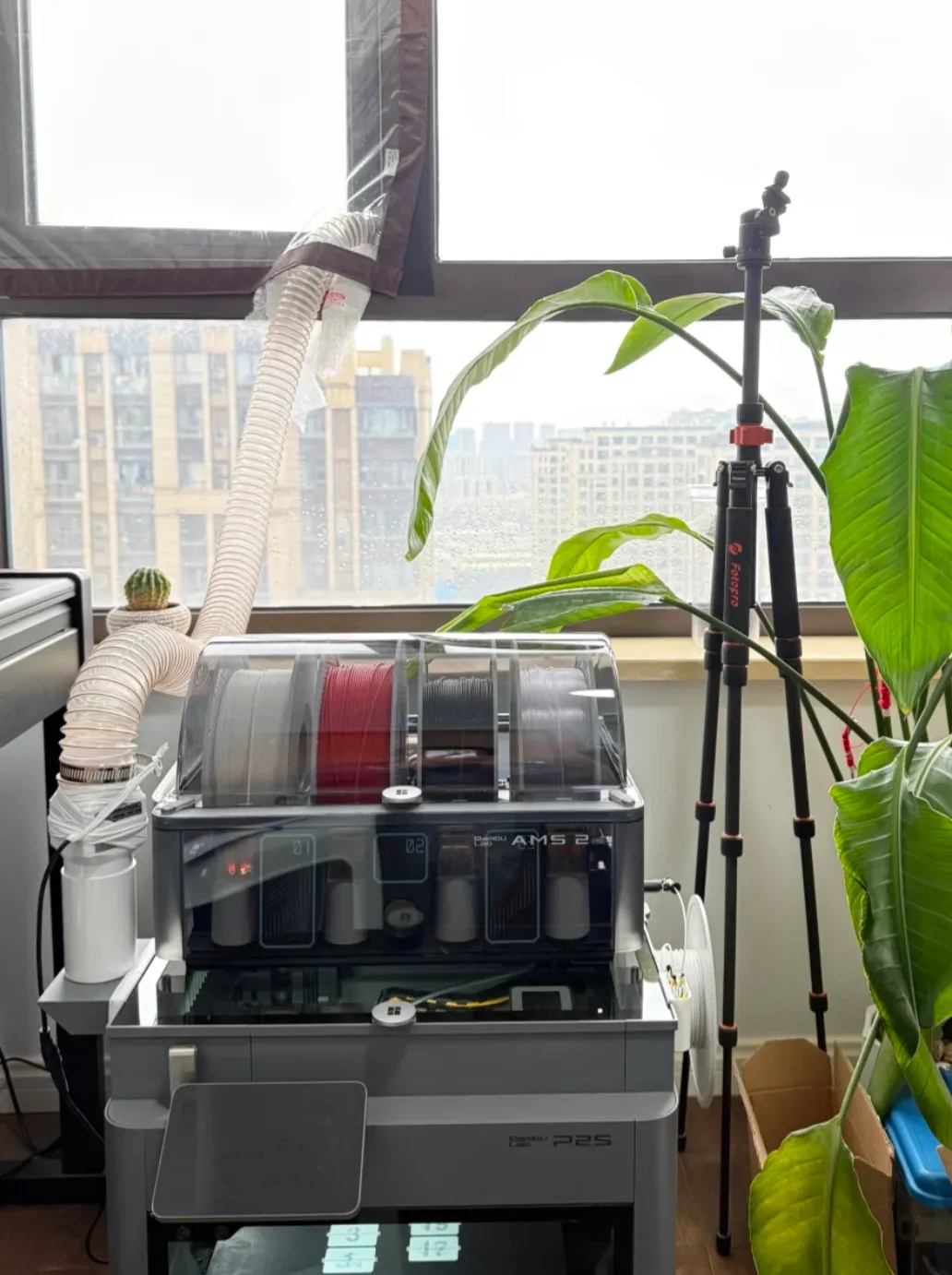
7.2. Importance of Ventilation
Ventilation reduces indoor accumulation: Without a proper airflow system, UFPs and VOCs released during printing can accumulate in indoor air, increasing inhalation exposure over time.
Natural ventilation is limited: Simply opening a window provides some dilution, but may not be sufficient for extended print durations or high-emission materials.
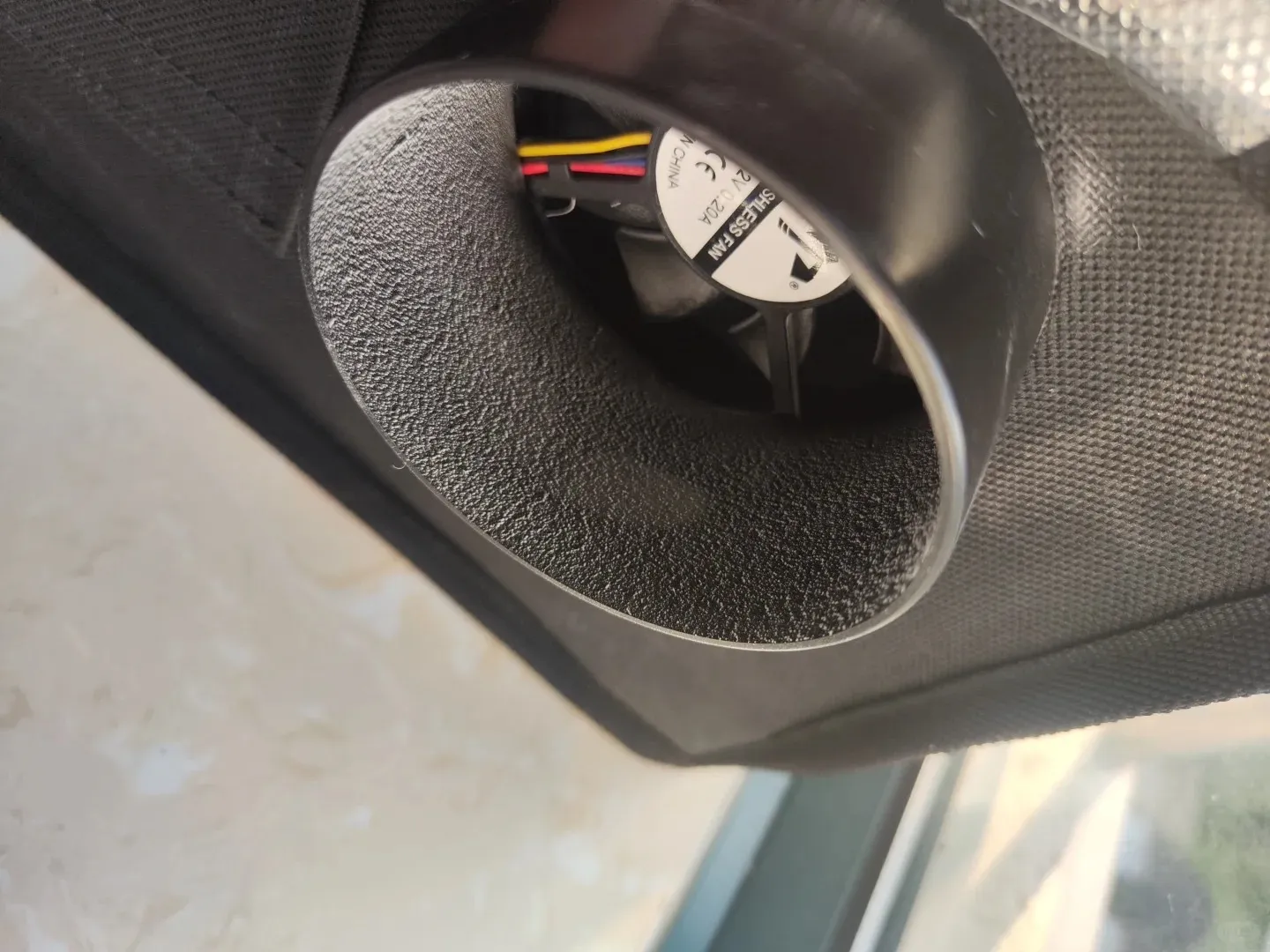
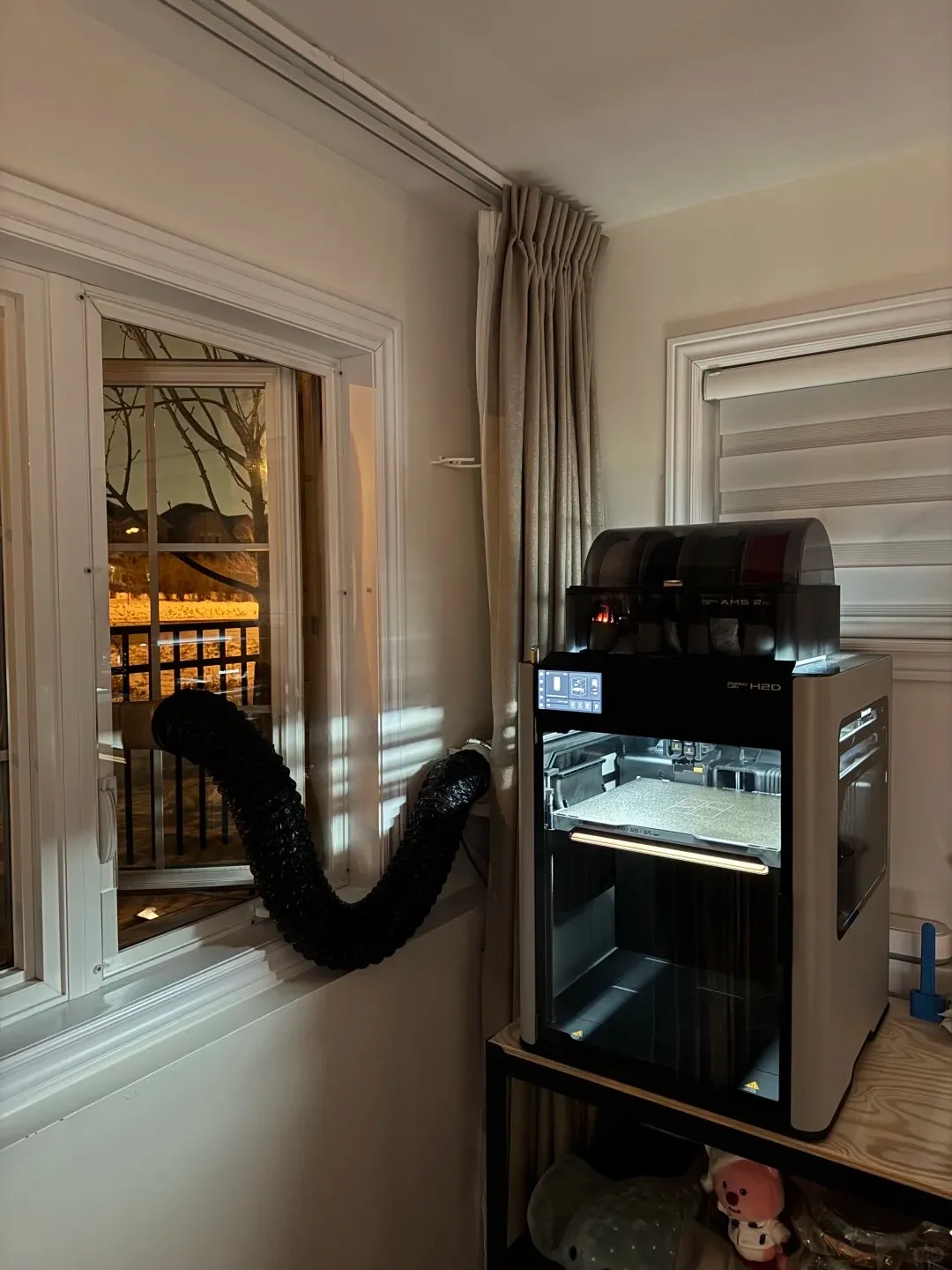
Active airflow systems are more effective: Tools such as exhaust hoods, enclosed cabinets with ducted outflow, and HEPA + activated carbon filtration systems can dramatically reduce indoor concentrations of particles and chemical fumes.
Localized capture minimizes exposure: Positioning ventilation close to the printer’s emission source (e.g., near the nozzle or enclosure exhaust) is more effective than general room ventilation alone.
7.3. Impact of Printing Duration and Volume
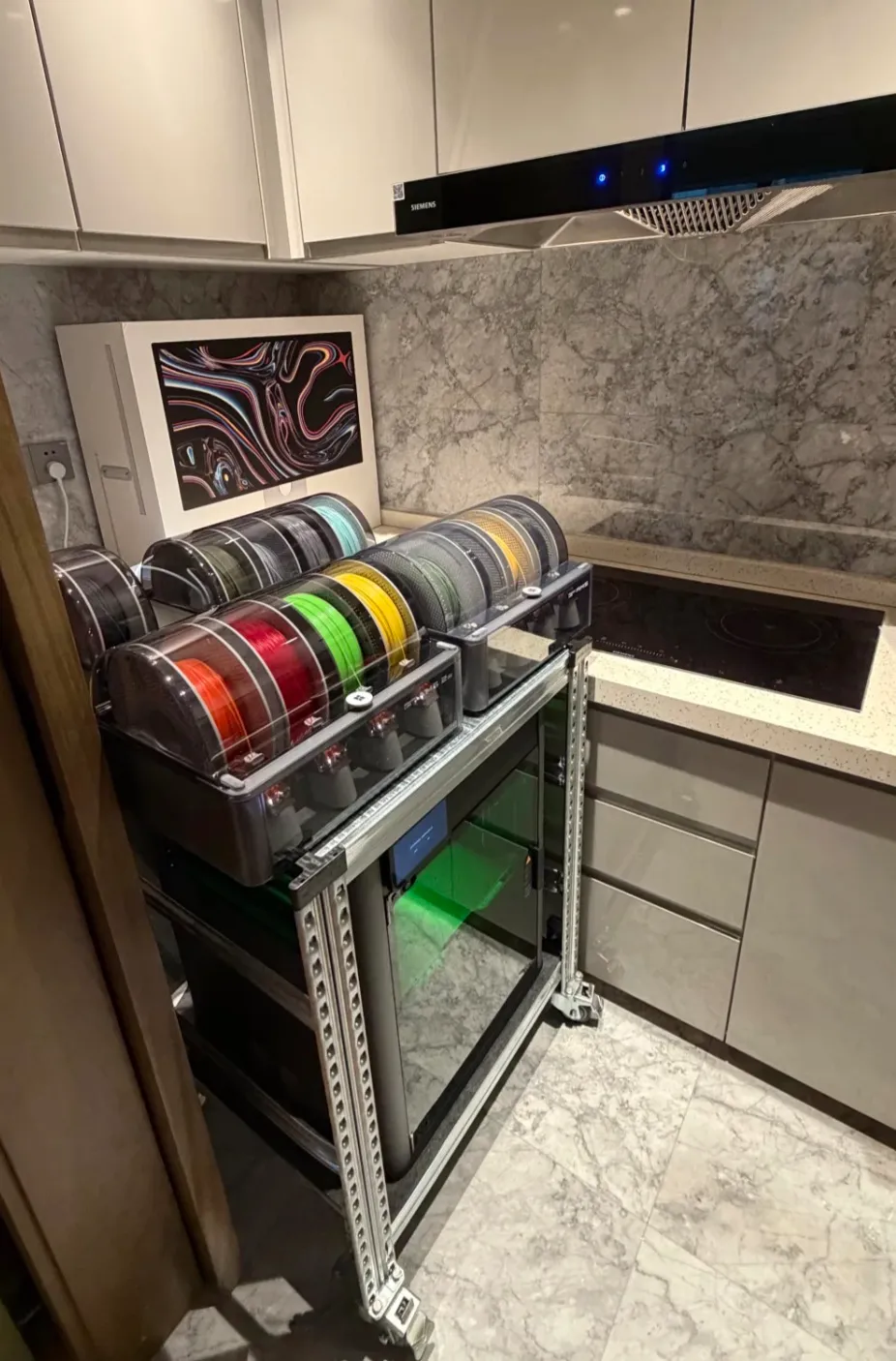
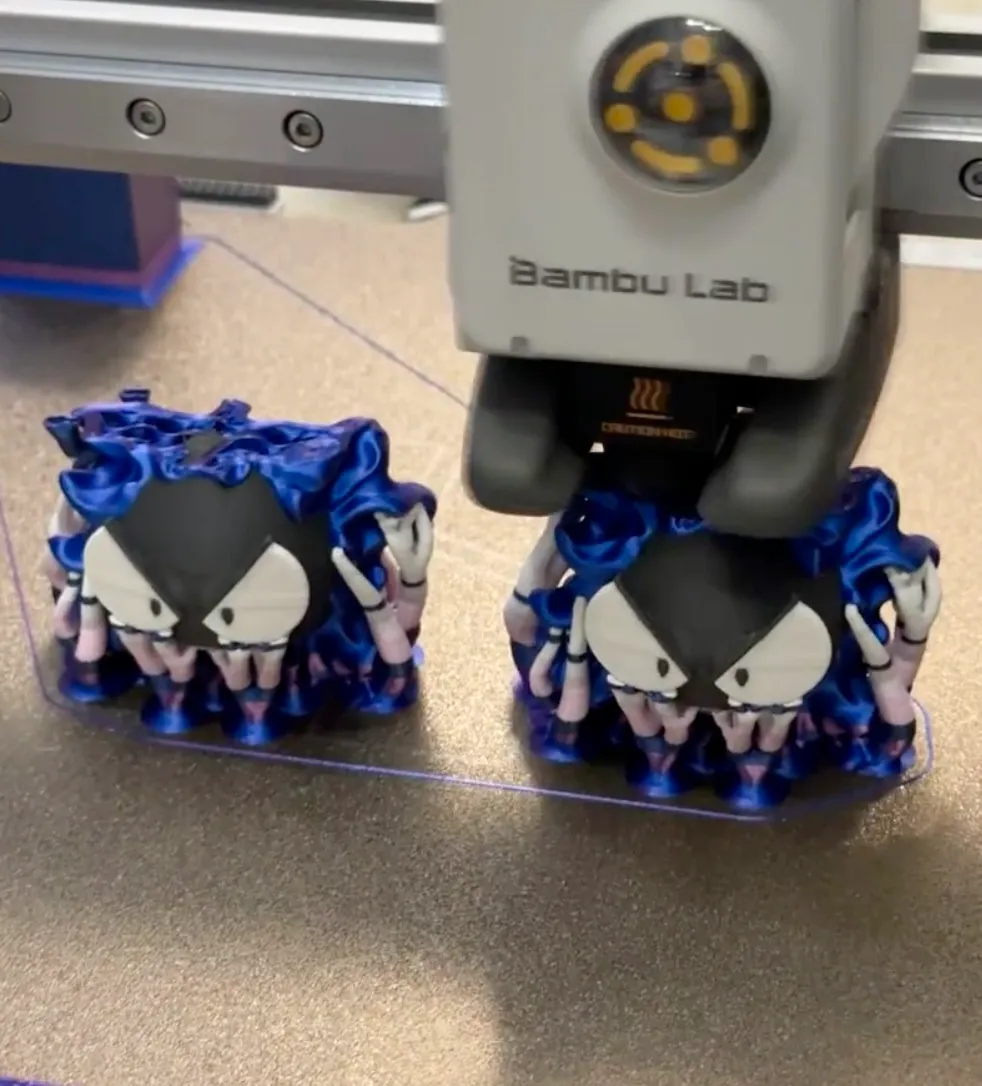
Longer prints lead to higher cumulative exposure: Even if instantaneous emission rates are moderate, printing continuously for hours increases the total dose of UFPs and VOCs breathed by room occupants.
Print frequency matters: Daily or frequent printing activities prevent adequate dissipation and clearance of contaminants, causing them to persist and accumulate in the environment.
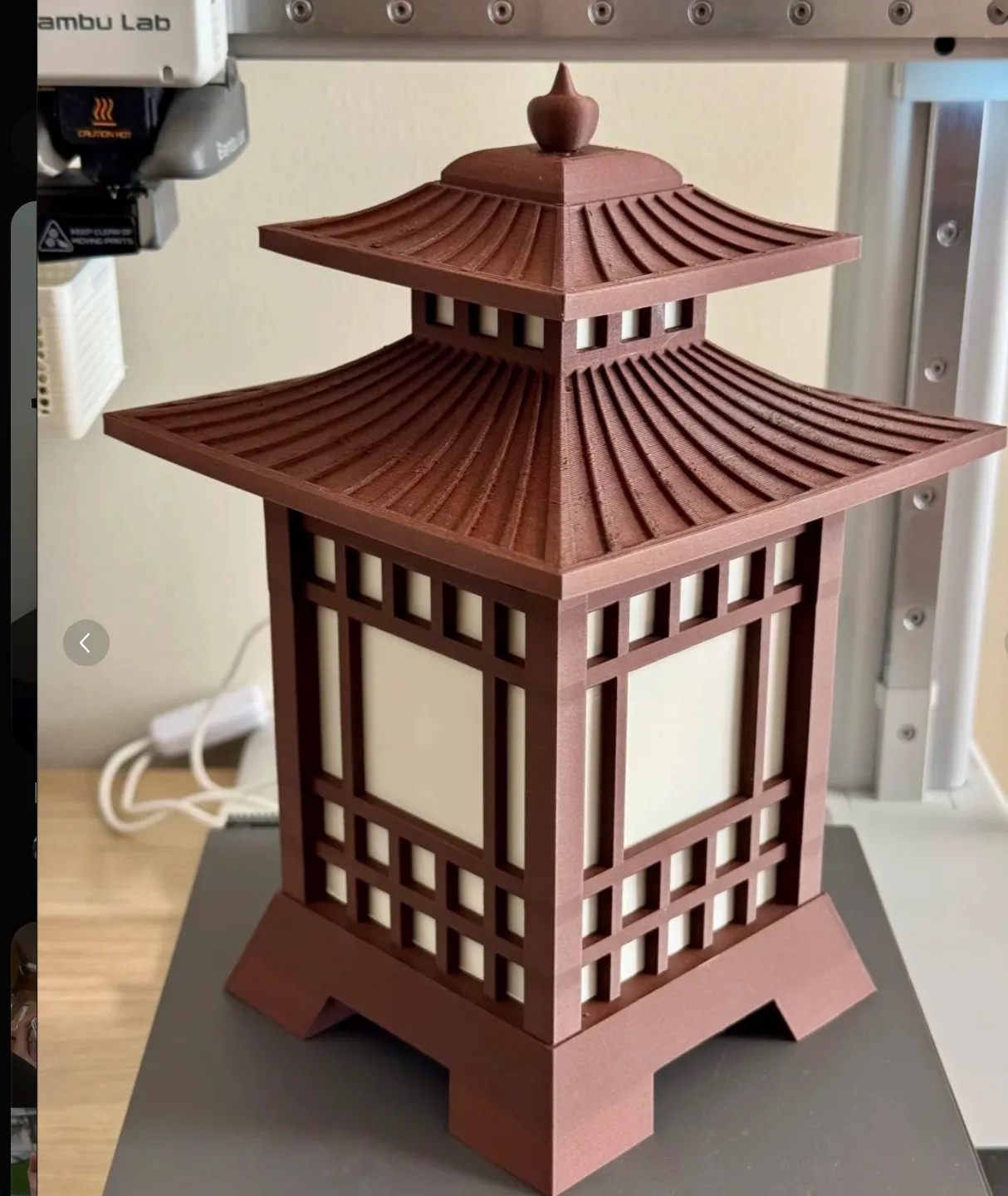
Object size and complexity influence exposure: Large prints, multi-hour jobs, or prints with many retractions/extrusions typically generate greater total emissions compared to short or small prints because heating cycles are sustained longer.
Repeated thermoplastic cycling: Multiple successive prints without adequate ventilation or air exchange will raise background levels of particulates and chemical vapors.
8. How to Reduce the Health Risks of 3D Printing
8.1. Proper Ventilation Strategies
Ensure good airflow to minimize exposure. Place the printer near a window or use an exhaust duct to move air outside. If indoor ventilation is limited, add a HEPA + activated carbon air purifier to reduce both ultrafine particles and VOCs.
8.2 Choosing Safer Filaments

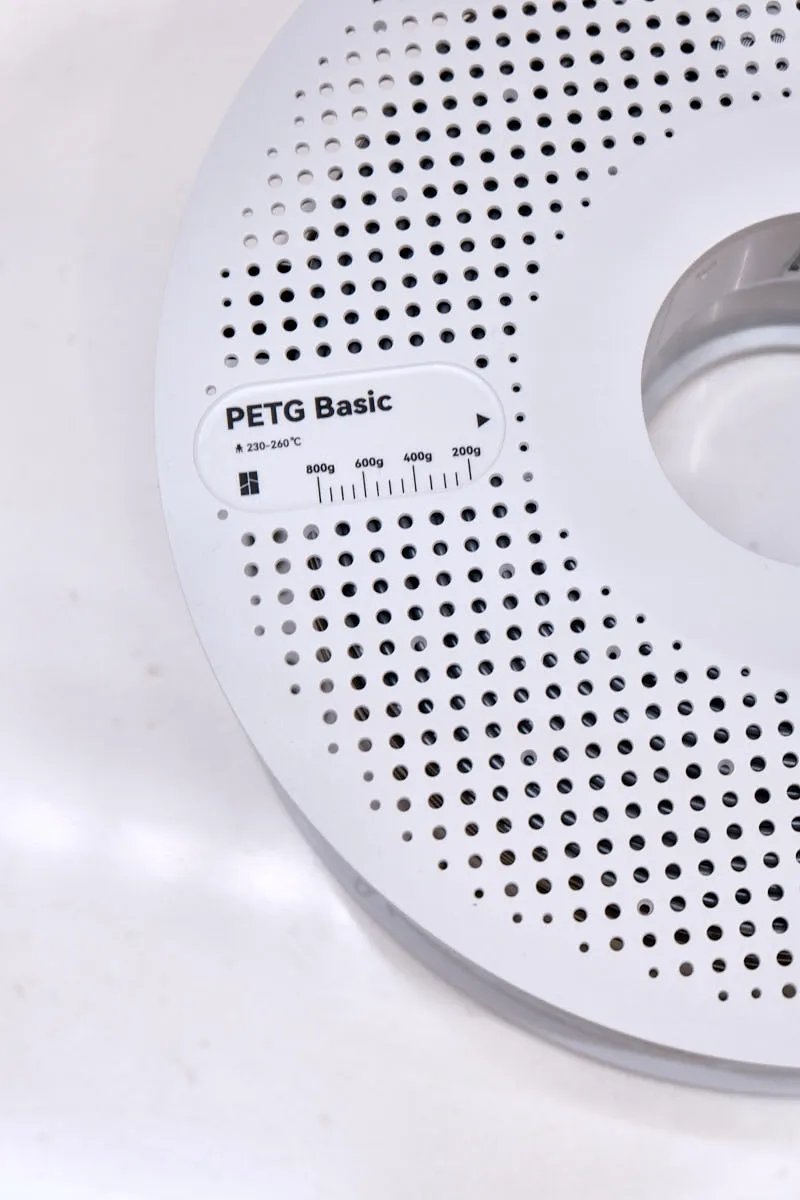
Opt for lower-emission filaments like PLA or PETG, which release fewer ultrafine particles and VOCs during printing. Avoid high-emission materials such as ABS or Nylon when ventilation is inadequate.
8.3 Enclosures and Filtering Systems
Use an enclosed printer setup to contain emissions and direct them toward filtration or exhaust. Enclosures with built-in HEPA and activated carbon filters help capture both particles and fumes.
8.4 Personal Protective Measures
Wear gloves during material handling, and use safety glasses when needed. In poorly ventilated areas or during post-processing, consider a respirator with organic vapor protection. Maintain some distance from the printer while it is operating.
9. Additional Questions You Might Have (FAQ)
Can I 3D print in my bedroom?
It’s not recommended to run a 3D printer continuously in a bedroom. Even when printing PLA, measurable ultrafine particles (UFPs) and volatile organic compounds (VOCs) are released during printing, and these can accumulate in poorly ventilated spaces. Using a HEPA + carbon air purifier helps, but without good ventilation to the outside, indoor air quality can degrade over time. Regular short prints with ventilation afterward pose less risk, but for regular use, a separate workshop or well-ventilated area is safer.
Are PLA fumes safe for pets and children?
PLA is often marketed as a “safer” filament, but it still emits ultrafine plastic particles and VOCs when heated. UFPs can penetrate deep into lungs and enter the bloodstream, and some VOCs may cause irritation. Vulnerable groups—such as children, pets, the elderly, or people with respiratory conditions—are generally more sensitive to airborne pollutants. Because of this, it’s wise to avoid placing a 3D printer where children or pets sleep or spend a lot of time unless you use effective ventilation and filtration.
What are the long-term effects of breathing in 3D printing fumes?
Long-term exposure to ultrafine particles and some volatile organic compounds is associated with respiratory irritation, increased stress on the lungs, and potential cardiovascular impacts over extended periods. Some emitted VOCs — like styrene from ABS — are considered hazardous in high doses, though actual long-term effects from typical hobby use are still being studied. Good ventilation, source capture, and minimizing exposure duration help reduce potential chronic exposure risks.
Is PETG really a safer alternative to ABS?
Yes — compared with ABS, PETG generally produces lower emissions of VOCs and particles when printed. PETG emissions tend to be milder in odor and lower in quantity, making it more suitable for indoor printing when basic precautions (ventilation, distance) are used. ABS, by contrast, is known to release styrene and other compounds at higher levels and typically requires better ventilation or enclosed setups.
What are the best enclosures and air filters for 3D printers?
The most effective approach to reducing emissions is to use a printer enclosure that both contains particles and directs airflow toward an exhaust or filtration system. A good enclosure can include:
HEPA filters — capture ultrafine particles (UFPs)
Activated carbon filters — capture odor and VOCs
Ducted exhaust to outside — best for long prints or higher-emission materials
Active ventilation (exhausting air outdoors) paired with HEPA + carbon filtration generally provides better indoor air quality than filtration alone. Commercial enclosures or custom cabinets with fan-assisted exhaust are recommended for hobby printers used frequently.
Conclusion
3D printing opens up immense creative and practical possibilities, but it also involves real exposure to ultrafine particles (UFPs) and volatile organic compounds (VOCs). No filament is completely emission-free, and even commonly used materials like PLA release measurable particles and gases when heated. The degree of risk depends on material choice, print duration, temperature, and ventilation.
However, with proper precautions — such as effective ventilation, safer material selection, enclosed printing setups, and simple personal protective measures — these risks can be significantly reduced. Understanding how emissions behave and adopting basic safety strategies ensures that 3D printing remains both enjoyable and safe, whether you’re a hobbyist, educator, or professional.
OEM & Wholesale Filament Services by VoxelFuse3D
Private label and OEM filament manufacturing
VoxelFuse3D provides OEM and private label filament manufacturing for brands and distributors.
Services include material selection, color formulation, diameter specification, packaging, and branding, with production managed under controlled manufacturing standards.
Wholesale supply of established filament brands
VoxelFuse3D provides OEM and private label filament manufacturing for brands and distributors.
Services include material selection, color formulation, diameter specification, packaging, and branding, with production managed under controlled manufacturing standards.
Professional sourcing with stable pricing and quality assurance
VoxelFuse3D provides OEM and private label filament manufacturing for brands and distributors.
Services include material selection, color formulation, diameter specification, packaging, and branding, with production managed under controlled manufacturing standards.