Ultimate Guide: How to Store 3D Printing Filament Correctly
1. Why proper filament storage matters
Proper storage of 3D printing filament is essential because filament is moisture-sensitive. When filament absorbs water from the air, it can negatively affect printing performance even before the first layer is extruded.
2. Common Problems Caused by Moisture Exposure
Bubbles during extrusion: Water trapped in the filament turns into steam when heated, creating tiny bubbles that interfere with smooth flow.
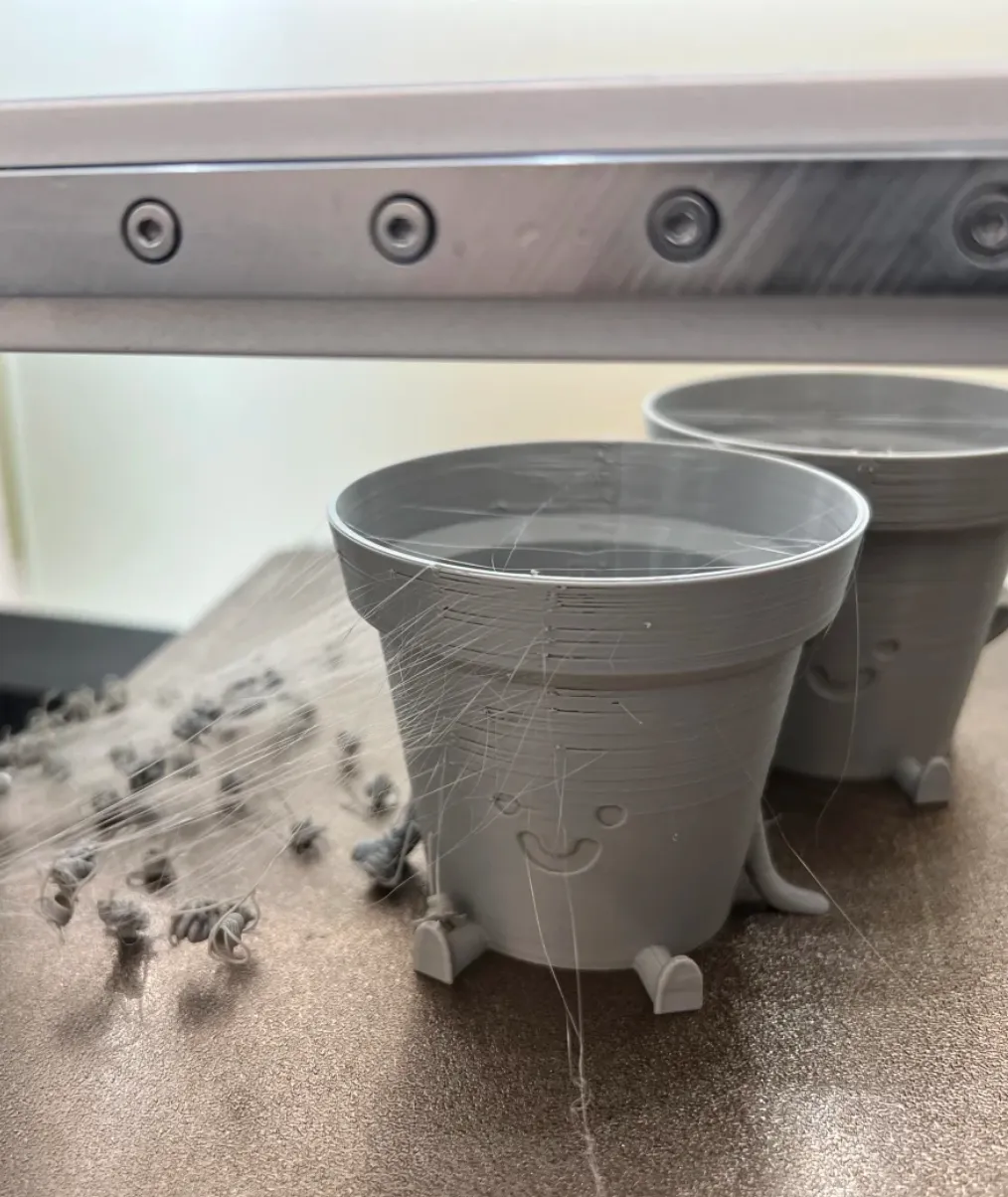
Stringing or oozing: Moist filament causes inconsistent extrusion, leading to excess strands and poor surface quality.
Popping sounds: As trapped water vaporizes inside the hot end, it can make popping or hissing noises during printing, indicating unstable extrusion and heat management.
Weak layers: Moisture weakens the adhesion between filament layers, resulting in fragile prints that break easily.
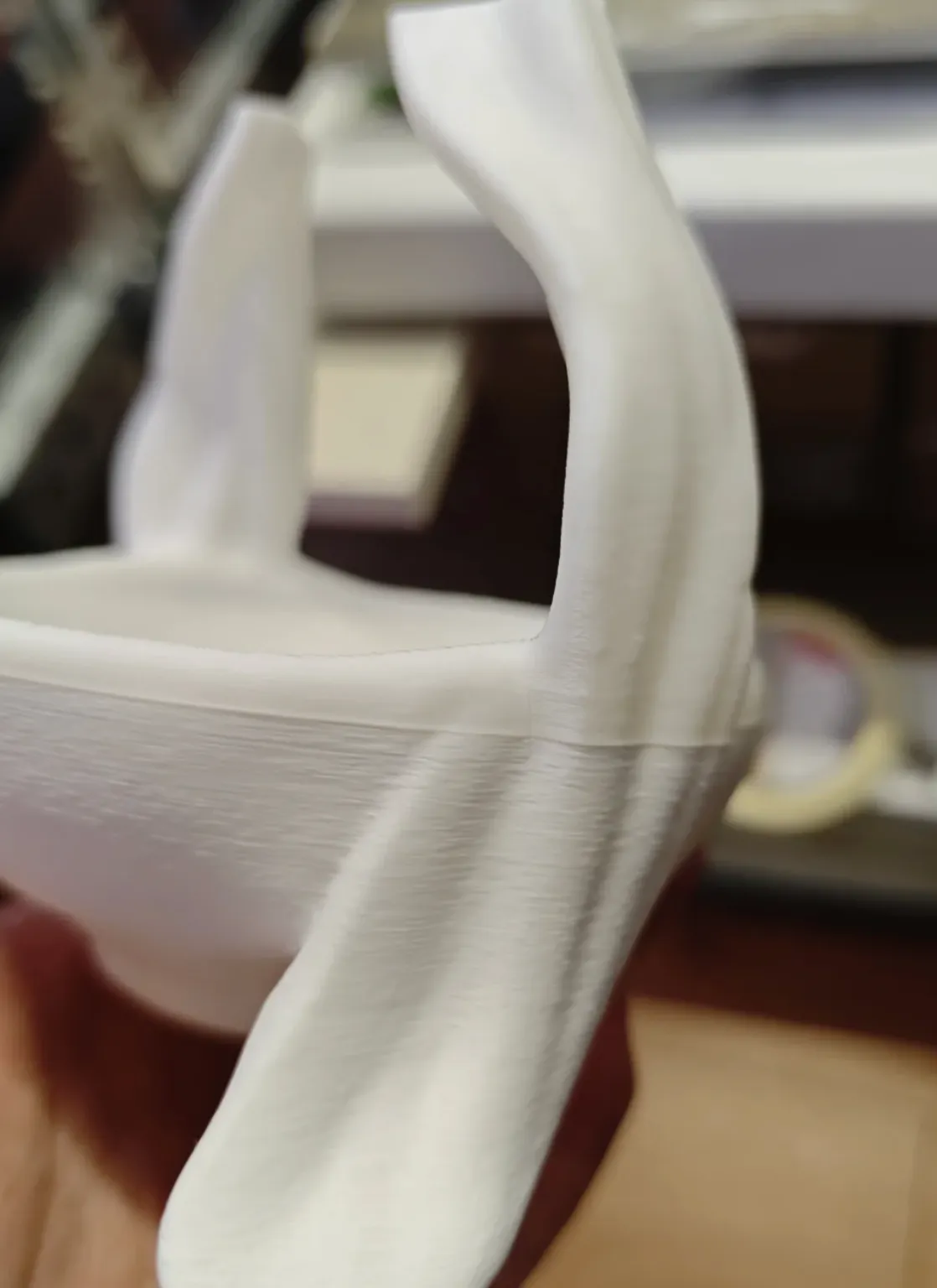
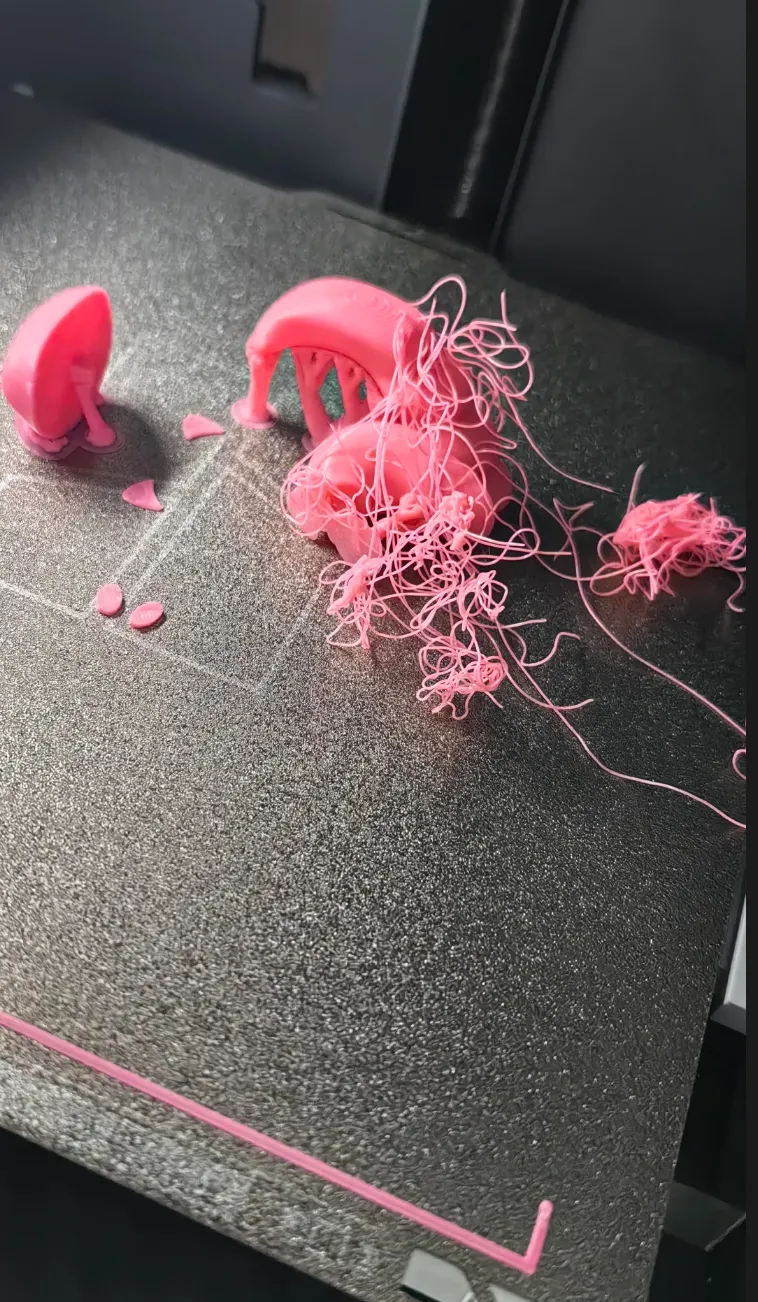
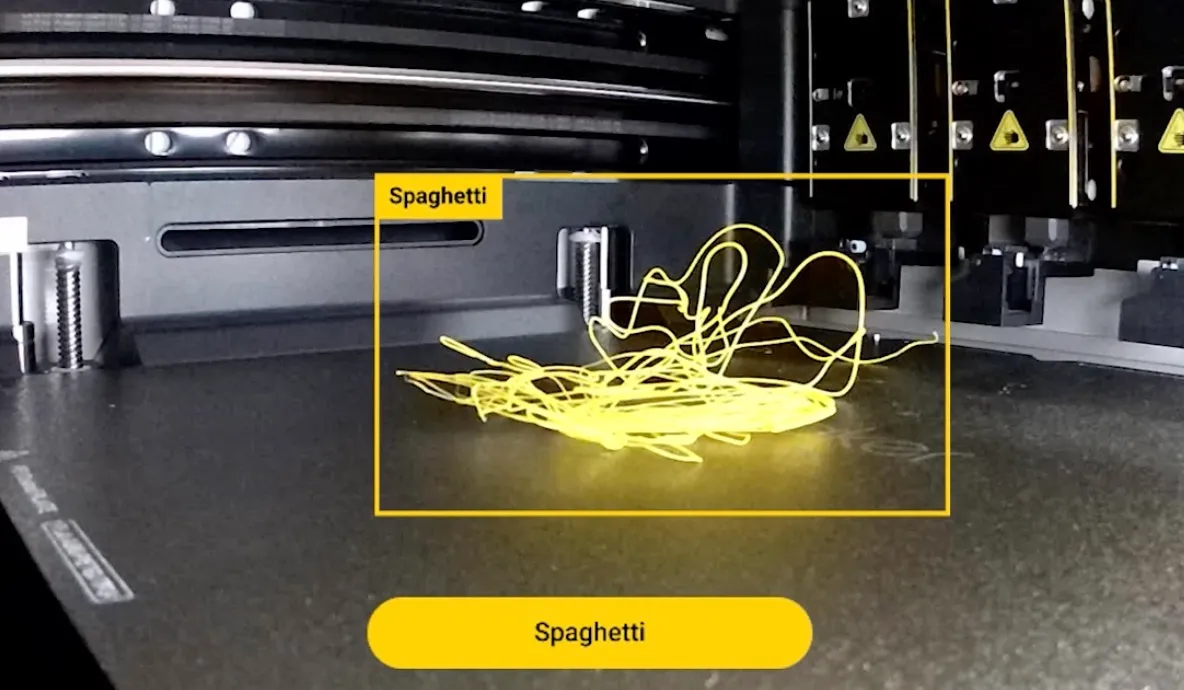
In short, moisture-related issues lead to poor print quality, increased failed prints, and inconsistent results — all of which could be avoided with proper storage practices like airtight containers, desiccants, vacuum sealing, or dedicated filament dryers.
3. Different Materials Have Different Sensitivity Levels
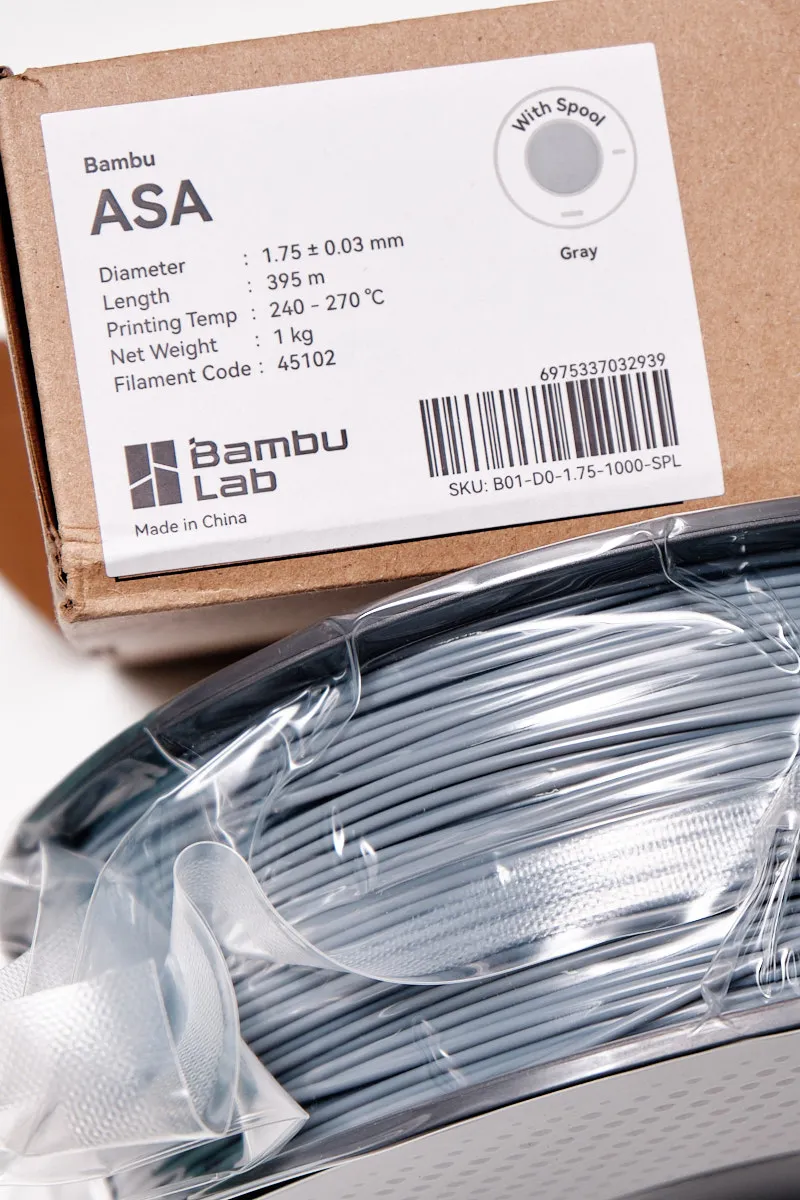
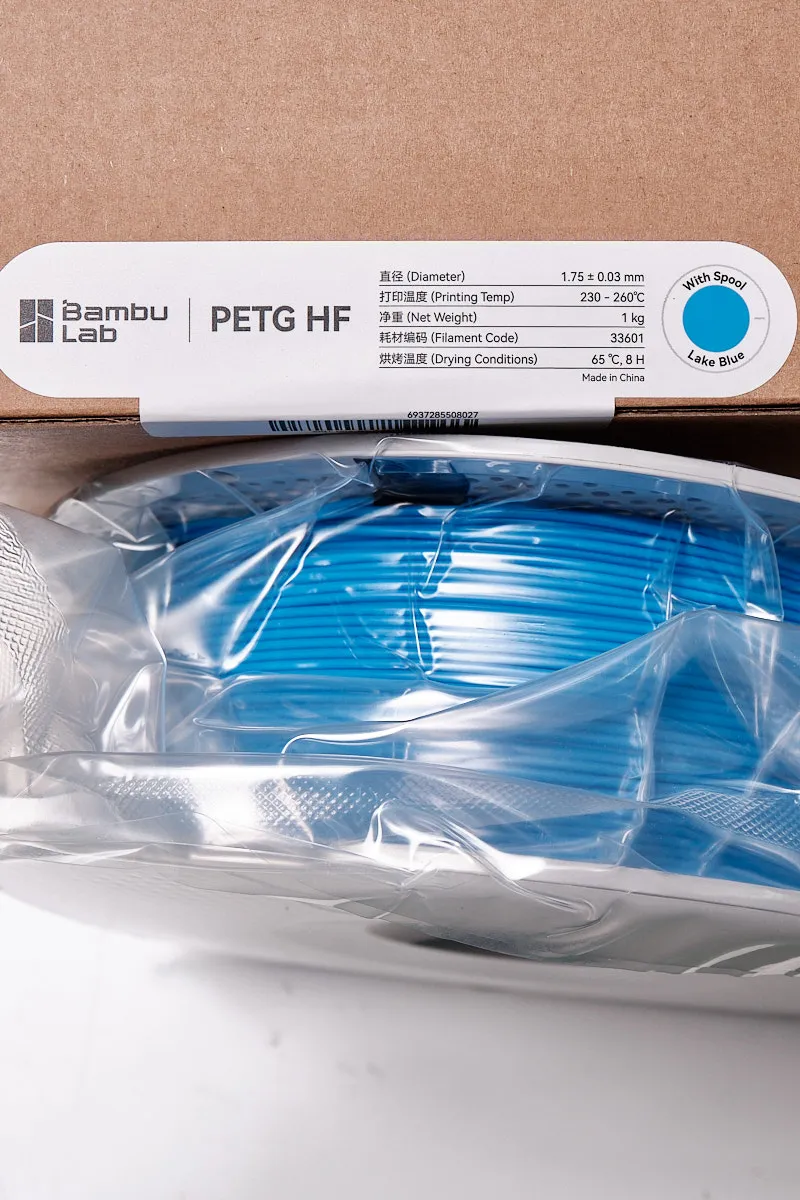
Not all 3D printing filaments respond the same way to moisture, temperature, and storage conditions.
The chemical composition and physical structure of each material determine how quickly it absorbs water and how that moisture affects print behavior.
Some polymers are relatively stable and tolerate slight humidity without major print issues,
while others can rapidly degrade in performance even with minimal moisture uptake.
Understanding these differences helps tailor storage methods to the specific material and avoid common print defects.
4. Best Practices for Storing Filament
4.1.Keep It Dry
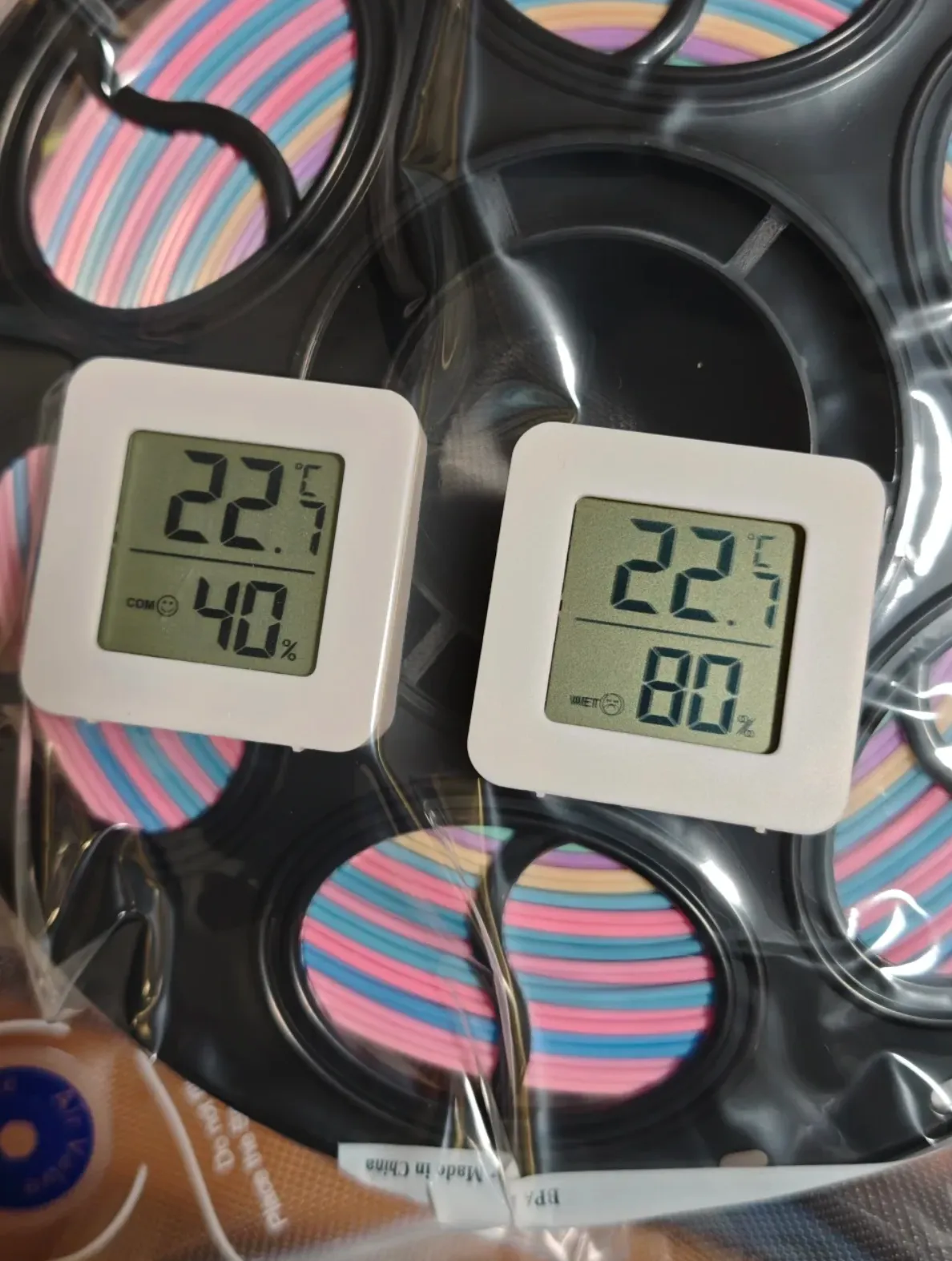
Moisture is the primary threat to 3D printing filament.
Most thermoplastics are hygroscopic to some degree, meaning they absorb water from the air over time.
Once absorbed, water penetrates the filament core and can cause bubbling, poor extrusion, and weakened prints during heating.

4.2. Control Temperature
Filament should be stored in a stable, moderate-temperature environment.
Excessive heat can soften certain materials like PLA, leading to deformation or reduced mechanical stability.
Avoid placing filament near heaters, direct sunlight, or other heat sources.
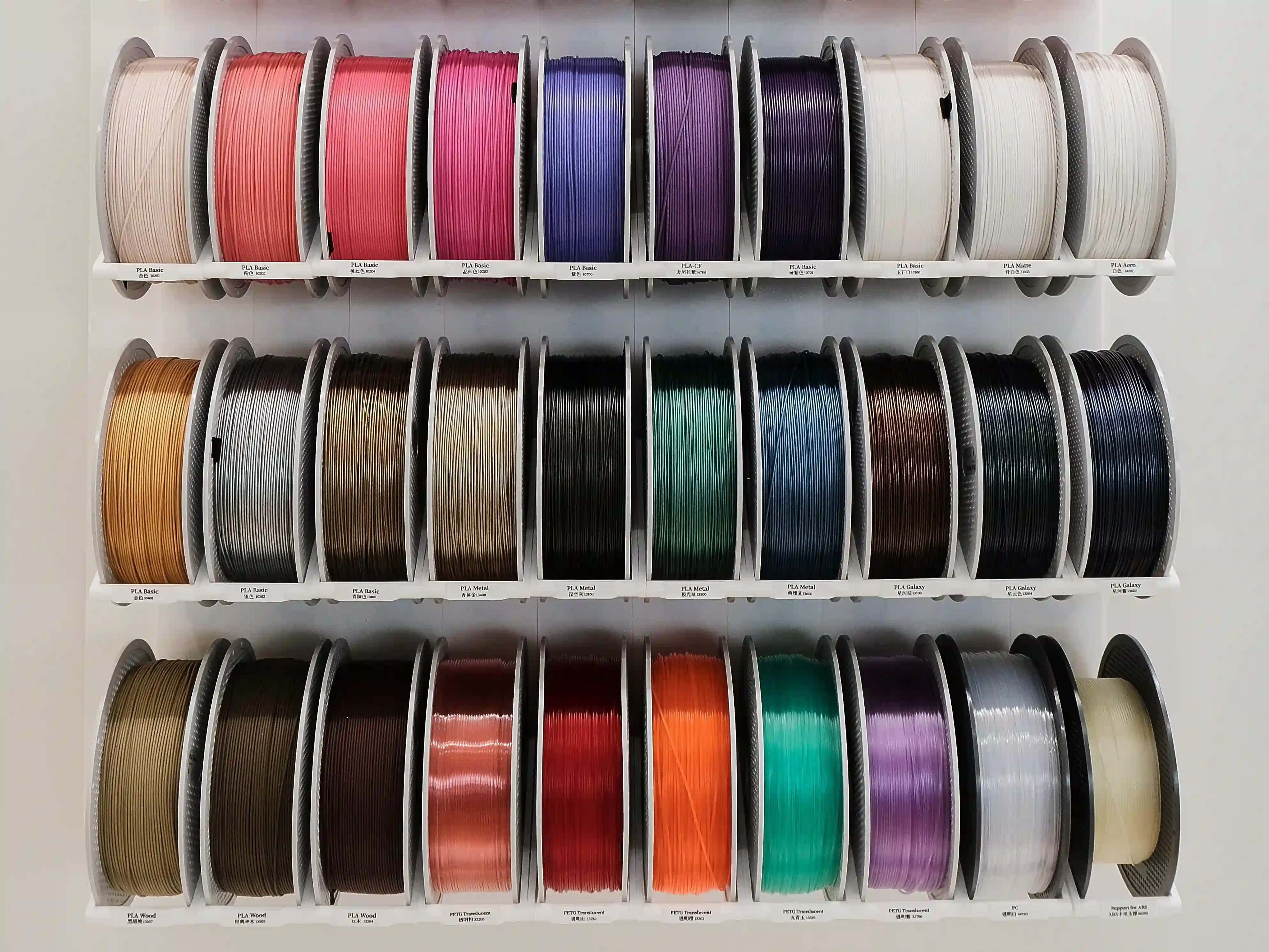
4.3. Organize Spools Properly
Spools should be stored in a way that prevents warping and unnecessary stress.
Upright stacking generally reduces deformation risk compared to uneven side stacking.
Proper organization also improves accessibility and minimizes handling damage.
4.4. Avoid UV Exposure
Prolonged exposure to sunlight or strong fluorescent lighting can degrade polymer chains over time.
UV radiation may cause discoloration, brittleness, and reduced mechanical performance, especially for light-sensitive materials.
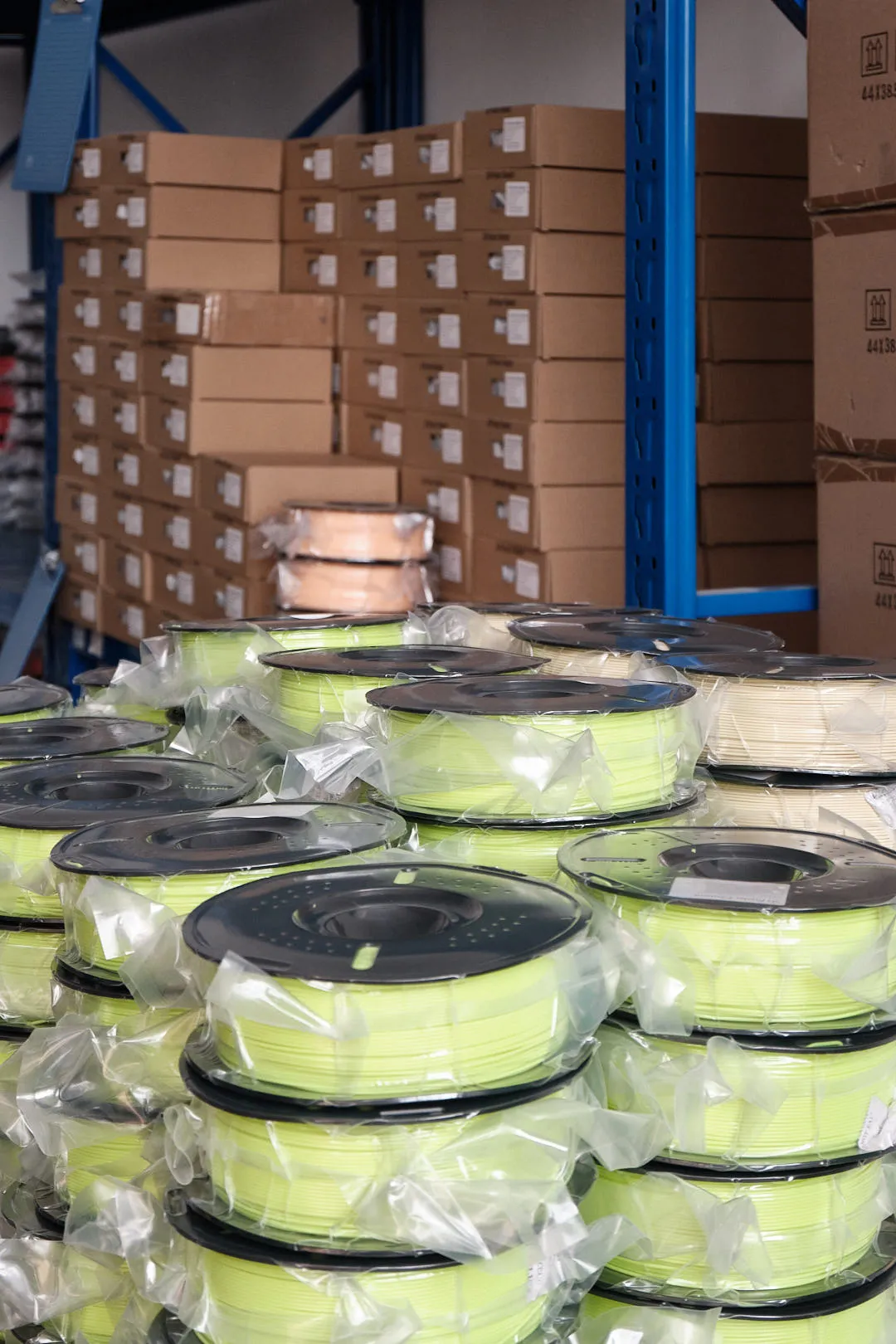
4.5.Use the Oldest Material First (FIFO)
Applying a “First In, First Out” (FIFO) system prevents filament from sitting unused for extended periods.
Rotating stock reduces the risk of long-term moisture accumulation and material aging.
4.6. Vacuum Seal Used Filament
After opening and partially using a spool, it should be properly resealed to minimize moisture exposure.
Vacuum sealing used filament with desiccants significantly reduces contact with ambient air and helps preserve material stability.
This is especially important in humid environments or when the filament will not be used again for an extended period.
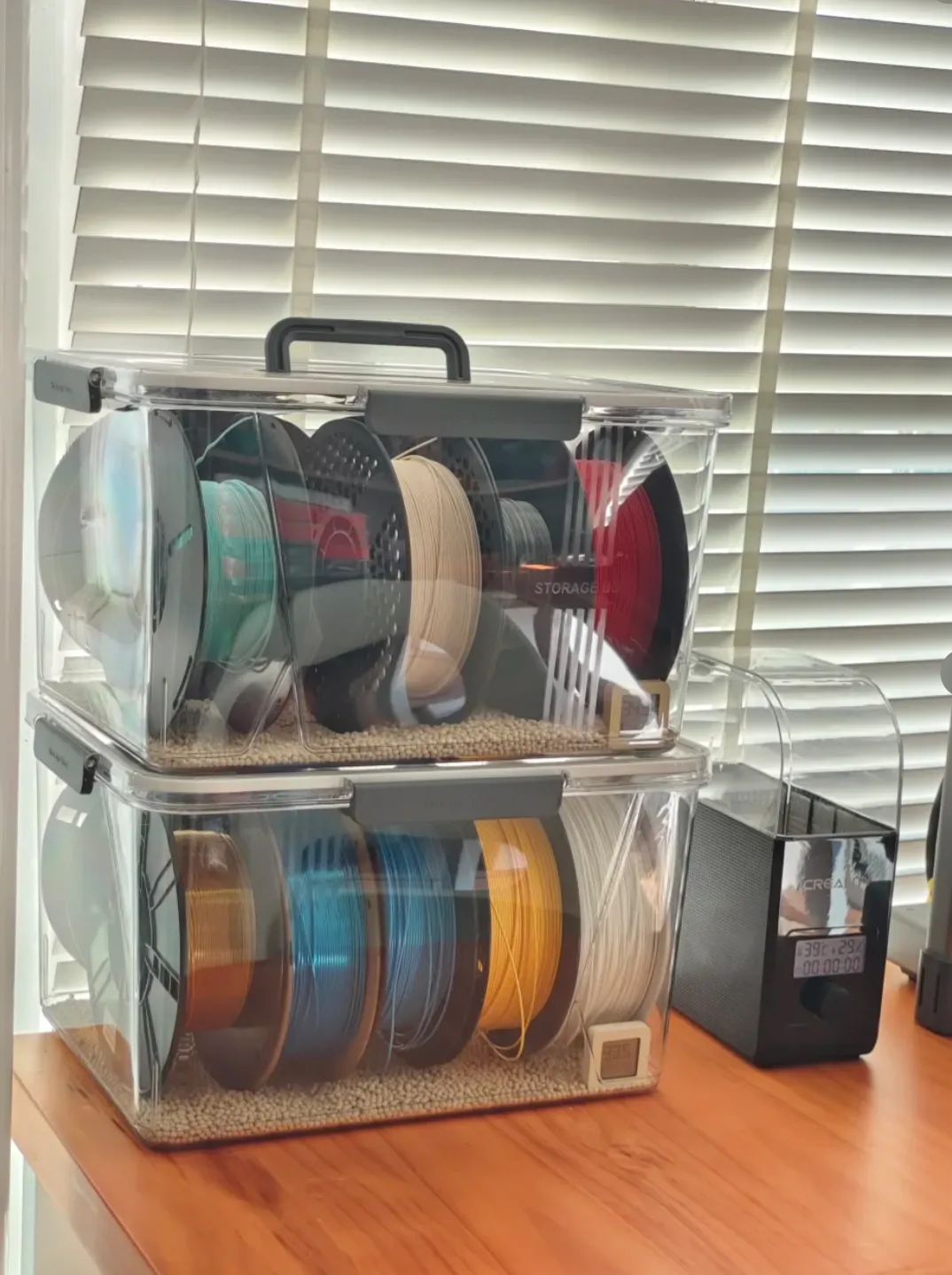
4.7. Store Filament in Dedicated Dry Containers
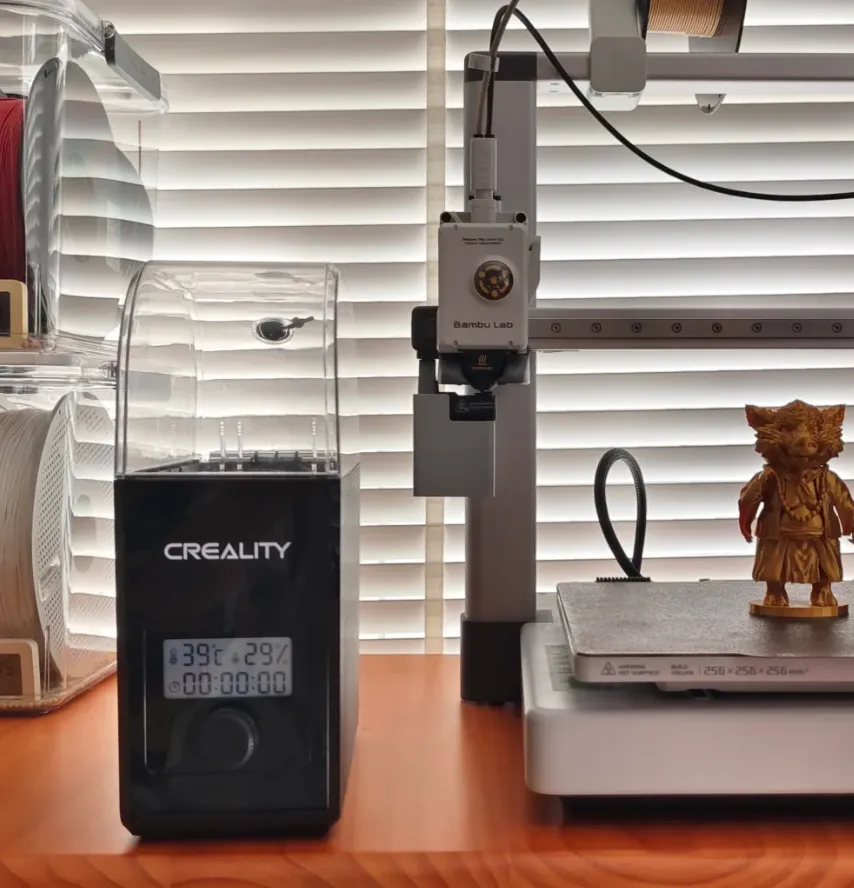
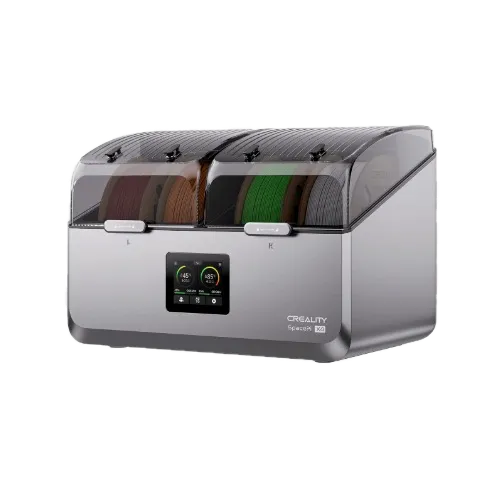
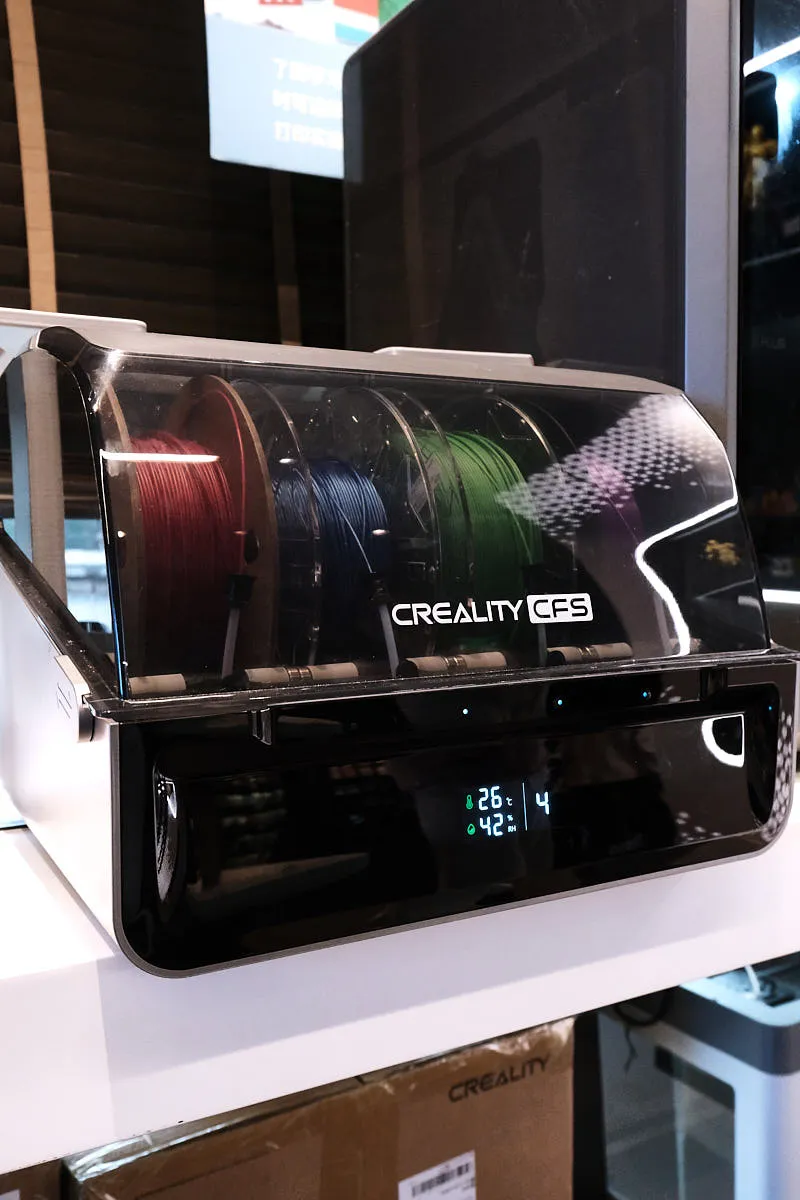
For better moisture control, filament should be stored in dedicated dry containers or humidity-controlled storage boxes.
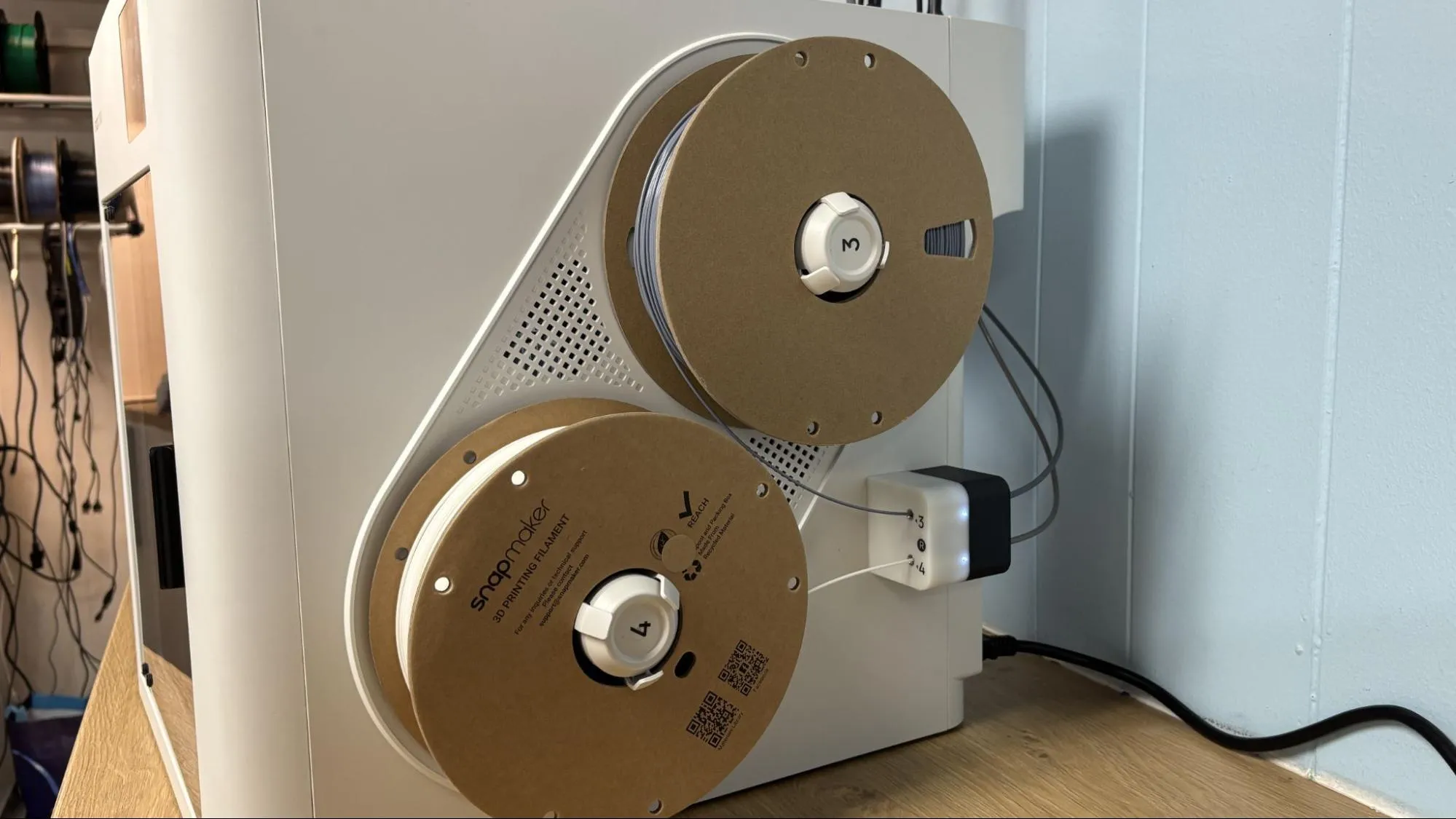
Systems with integrated drying functions, such as AMS units, can further maintain stable conditions during storage and printing.
Combining vacuum sealing with controlled dry storage helps preserve filament quality and ensure consistent performance.
5. What to Do if Filament Becomes Too Wet
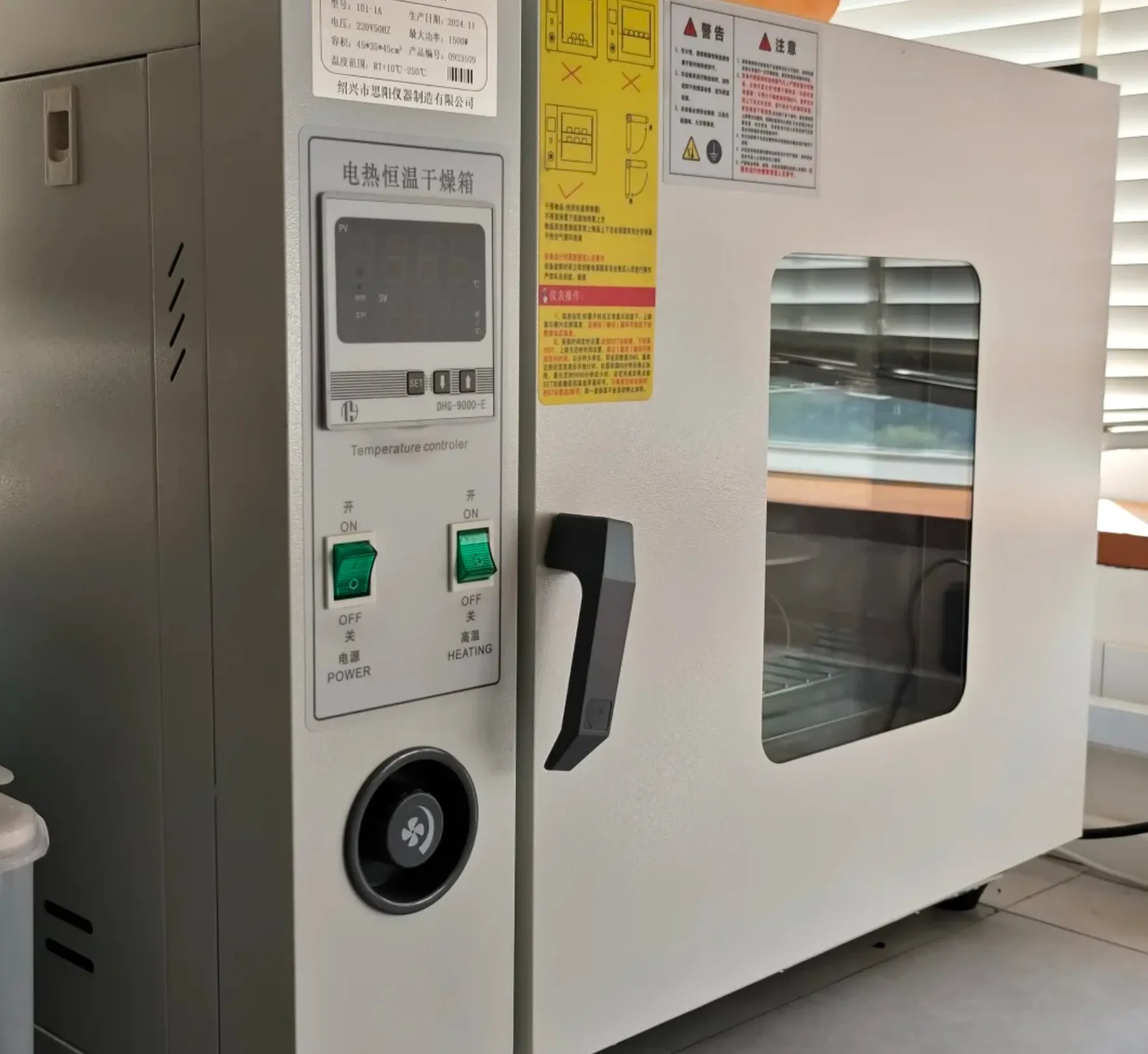
5.1.Recommended low-temperature oven drying
If the filament has absorbed moisture, it can be dried in a low-temperature oven set within the material’s safe drying range.
Temperatures must remain below the filament’s glass transition point to prevent deformation. Always monitor the process carefully to avoid overheating.
5.2. Filament Dryer Duration Settings
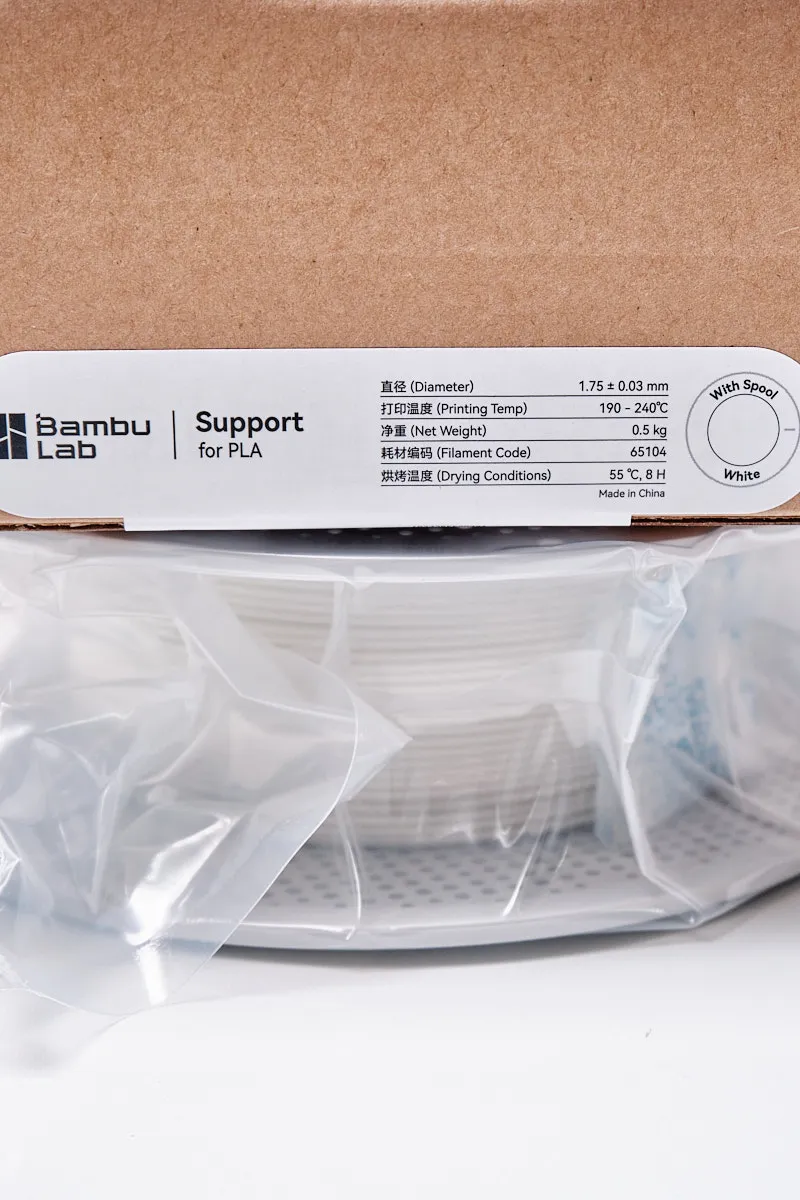
Dedicated filament dryers provide controlled temperature and airflow for safer moisture removal.
Drying duration typically depends on the material type and moisture level, ranging from several hours for lightly exposed filament to longer cycles for heavily saturated spools. Follow manufacturer-recommended settings for best results.
Conclusion
Proper storage is essential to maintaining the performance and longevity of 3D printing filament.
Because most thermoplastics are sensitive to moisture, heat, and UV exposure, even short periods of improper storage can lead to print defects, brittleness, and inconsistent extrusion.
By keeping filament dry, controlling temperature and humidity, using airtight containers or vacuum sealing, and applying organized stock management practices, users can significantly reduce material degradation. For more demanding environments, dedicated dry storage systems or integrated drying units provide additional protection.
Good storage habits not only improve print quality but also reduce material waste and long-term costs.
In 3D printing, consistency begins long before the printer starts — it begins with how materials are stored.
OEM & Wholesale Filament Services by VoxelFuse3D
Private label and OEM filament manufacturing
VoxelFuse3D provides OEM and private label filament manufacturing for brands and distributors.
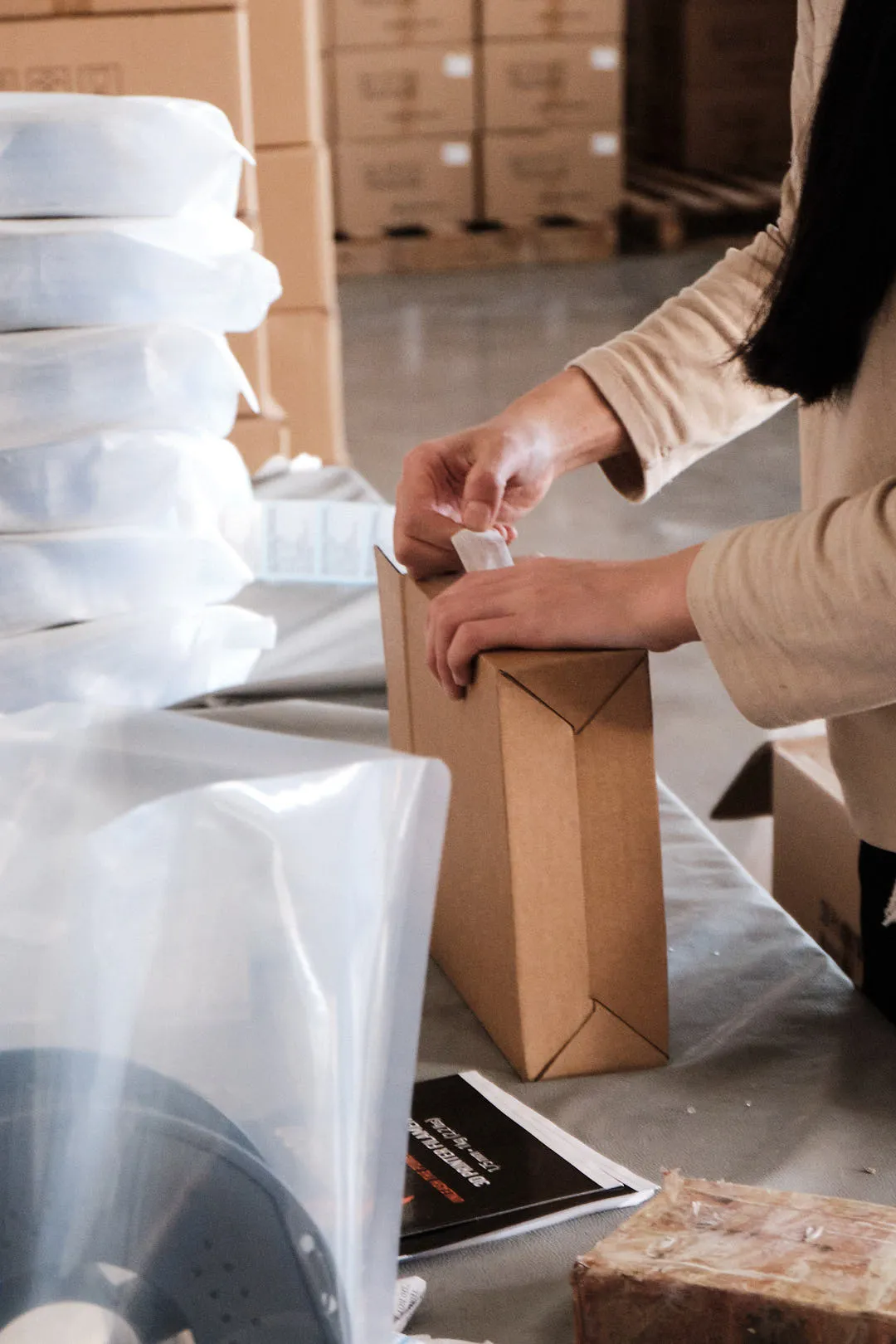
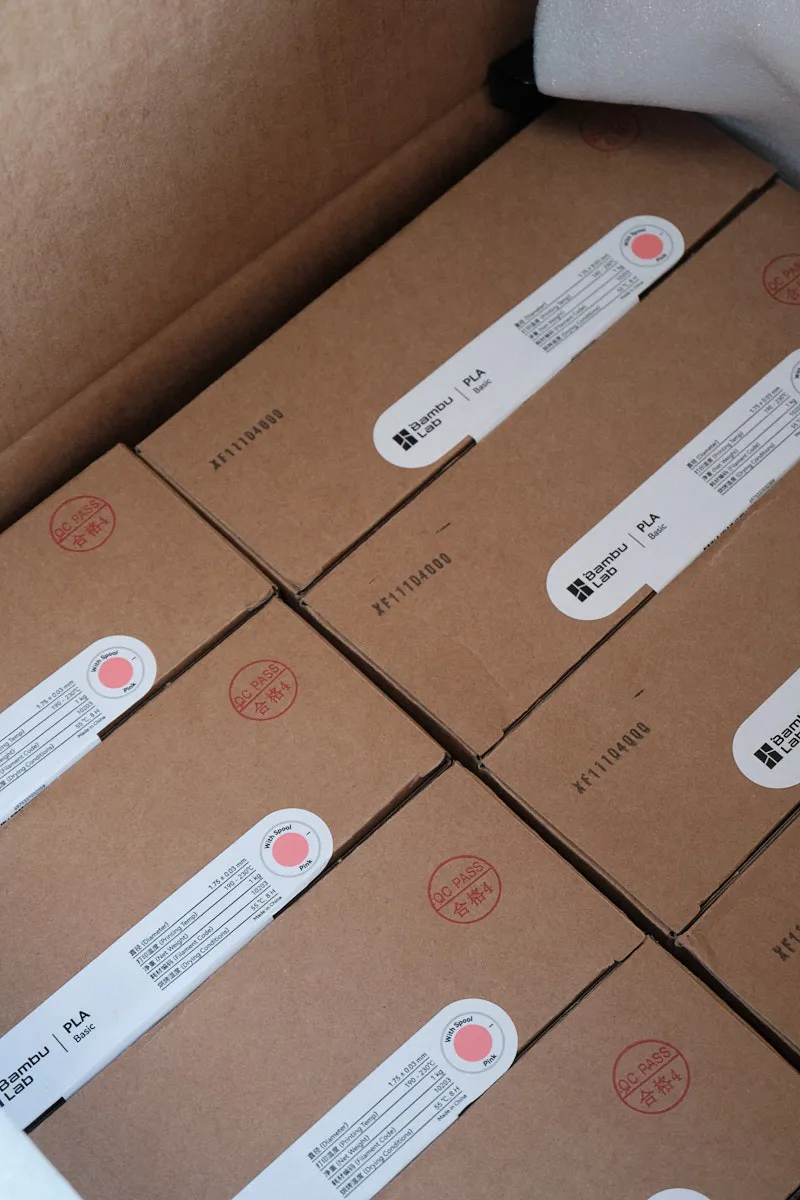
Services include material selection, color formulation, diameter specification, packaging, and branding, with production managed under controlled manufacturing standards.
Wholesale supply of established filament brands
VoxelFuse3D provides OEM and private label filament manufacturing for brands and distributors.
Services include material selection, color formulation, diameter specification, packaging, and branding, with production managed under controlled manufacturing standards.
Professional sourcing with stable pricing and quality assurance
VoxelFuse3D provides OEM and private label filament manufacturing for brands and distributors.
Services include material selection, color formulation, diameter specification, packaging, and branding, with production managed under controlled manufacturing standards.