Does PLA Filament Go Bad? Shelf Life, Signs of Degradation & Storage Tips
1. Does PLA Filament Go Bad?
Quick Answer: Yes
PLA filament does go “bad” over time—not in the sense of expiration, but through gradual material degradation driven by moisture and environmental exposure.
PLA is hygroscopic, meaning it absorbs water from the air, and this moisture can trigger hydrolysis, breaking down its polymer chains and reducing strength, stiffness, and overall print performance
Studies also show that increased humidity directly correlates with a measurable decline in mechanical properties in PLA parts.
In this guide, you’ll learn how long PLA filament typically lasts, whether old filament is still usable, how to identify signs of degradation, and how to properly store it to extend its lifespan.
2, How Long Does PLA Filament Last? (Shelf Life)
PLA filament does not have a strict expiration date, but its usable lifespan is strongly influenced by environmental exposure.
Under proper storage conditions, unopened PLA can remain stable for over 1–2 years, as limited contact with air and moisture slows down degradation.
Once opened, however, its lifespan typically drops to a few weeks to several months, depending on storage conditions.
3.Primary Factors Affecting PLA Shelf life
The primary factors affecting PLA shelf life are humidity, temperature, and UV exposure.
Moisture/Humidity
Among these, moisture plays the most critical role.
PLA is hygroscopic and absorbs water from the air, which can trigger hydrolysis—breaking ester bonds in the polymer chain and reducing molecular weight and mechanical strength. Studies have shown that increased humidity directly leads to a decline in the mechanical properties of PLA materials
Temperature
Temperature further accelerates this process, as higher thermal conditions increase molecular mobility and degradation rates. Research indicates that PLA degradation becomes significantly more pronounced under combined heat and humidity conditions.
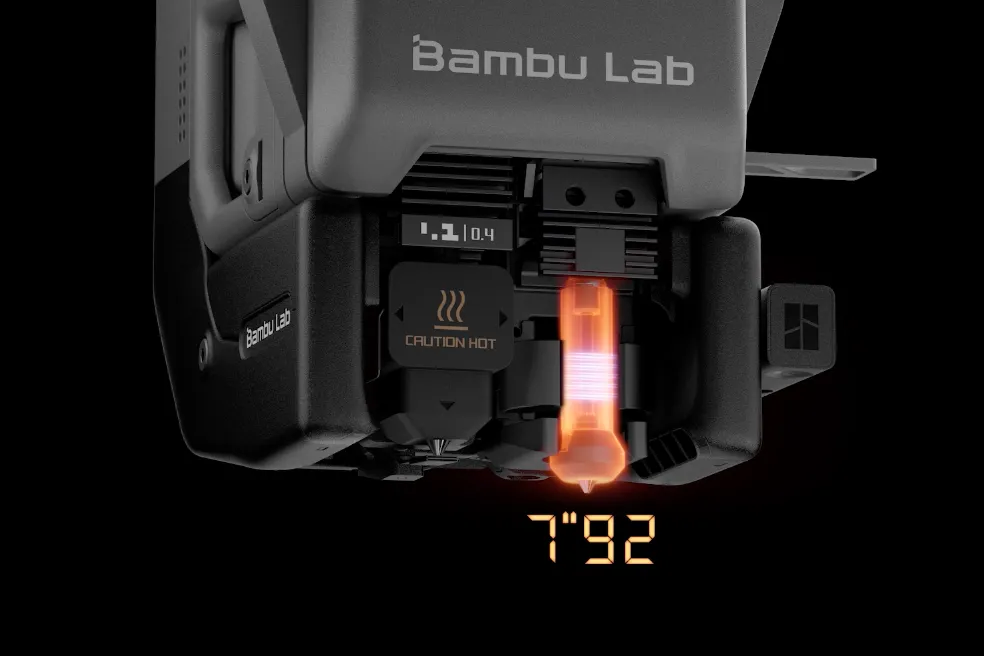

In practical terms, PLA does not suddenly fail—but under poor storage conditions, its performance steadily declines long before it becomes unusable.
4. What Happens When PLA Goes Bad?
When PLA filament degrades, the effects appear both during printing and in the material’s mechanical behavior. The two core mechanisms—moisture absorption and hydrolysis—directly alter the polymer structure, leading to visible print defects and long-term performance loss
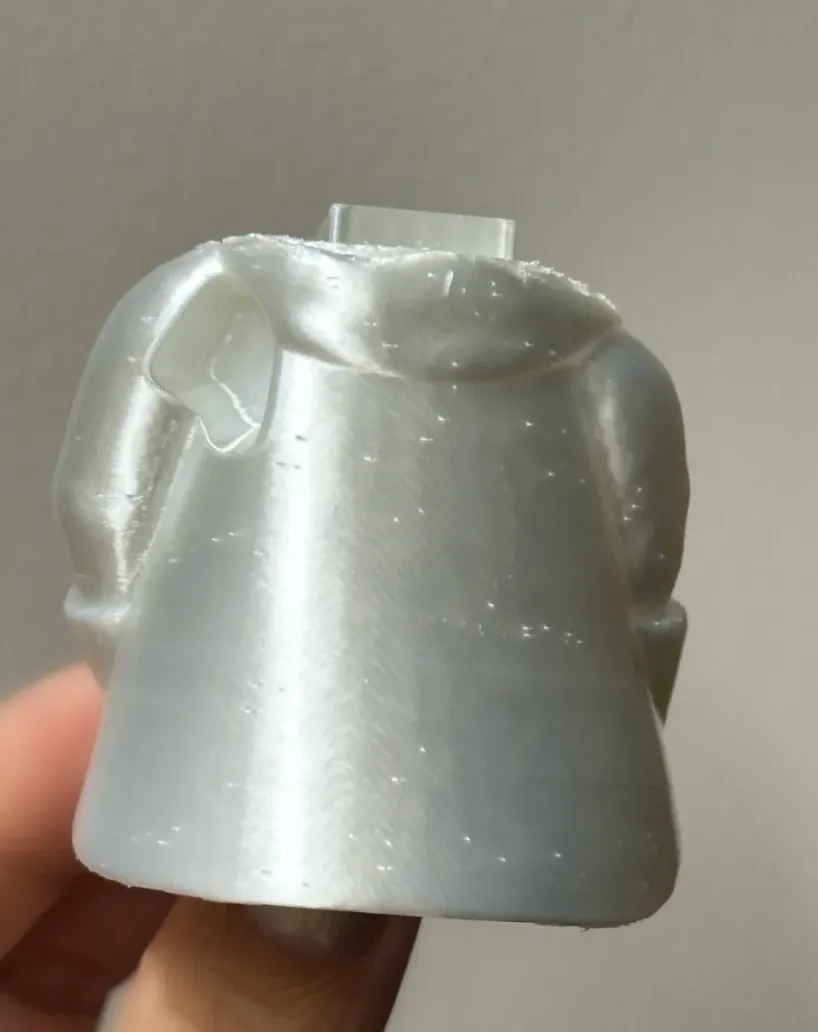
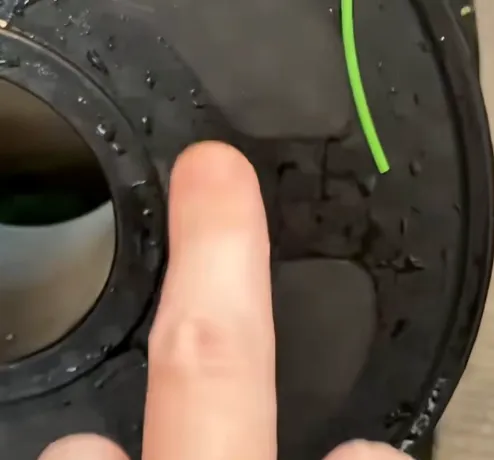
When PLA absorbs moisture, it begins to affect the extrusion process itself. During printing, the absorbed water vaporizes under heat, which can cause audible popping sounds and the formation of bubbles within the extruded material
Research has shown that moisture exposure can lead to surface defects and inconsistent print quality, including rough textures and irregular extrusion
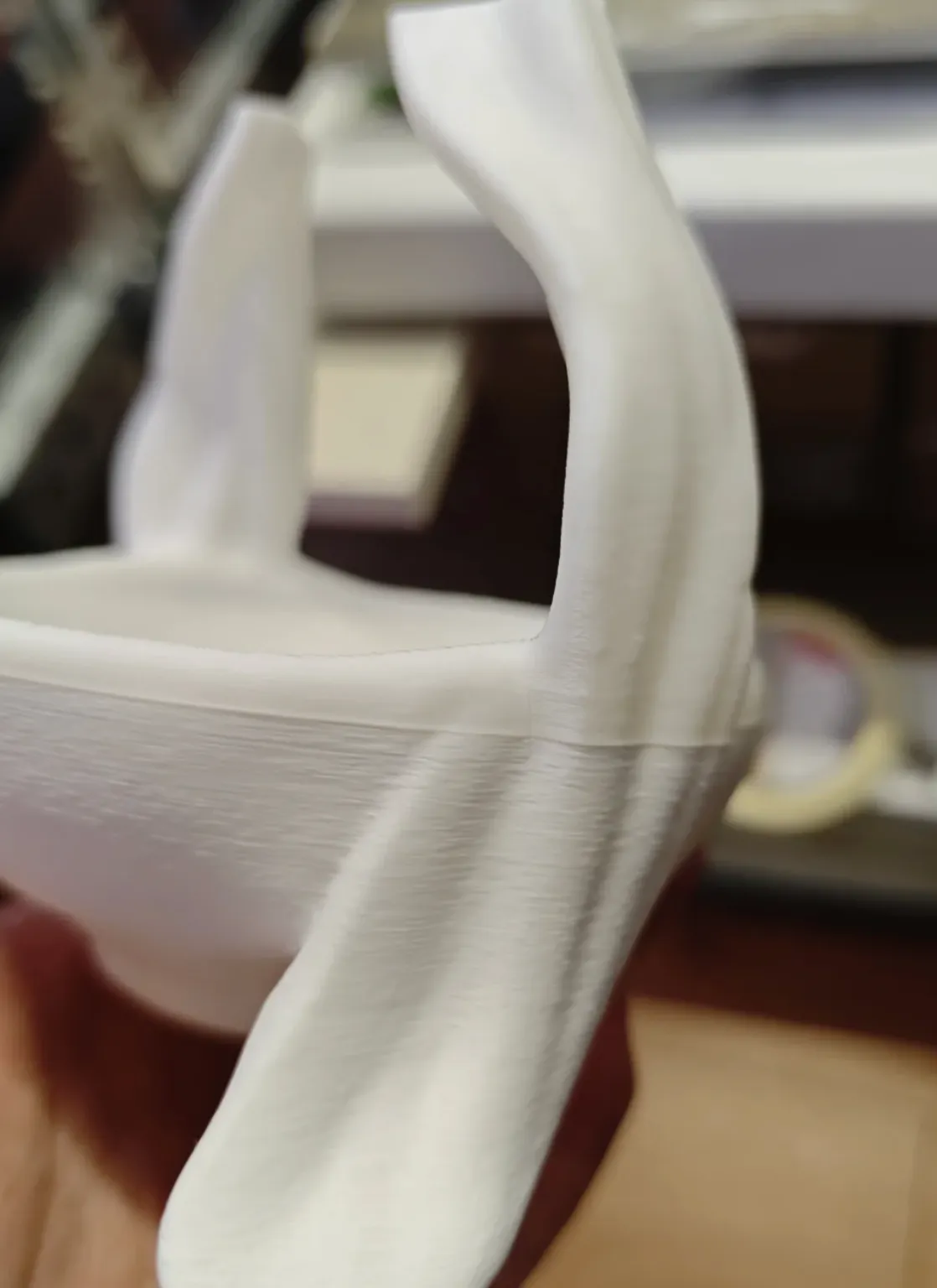
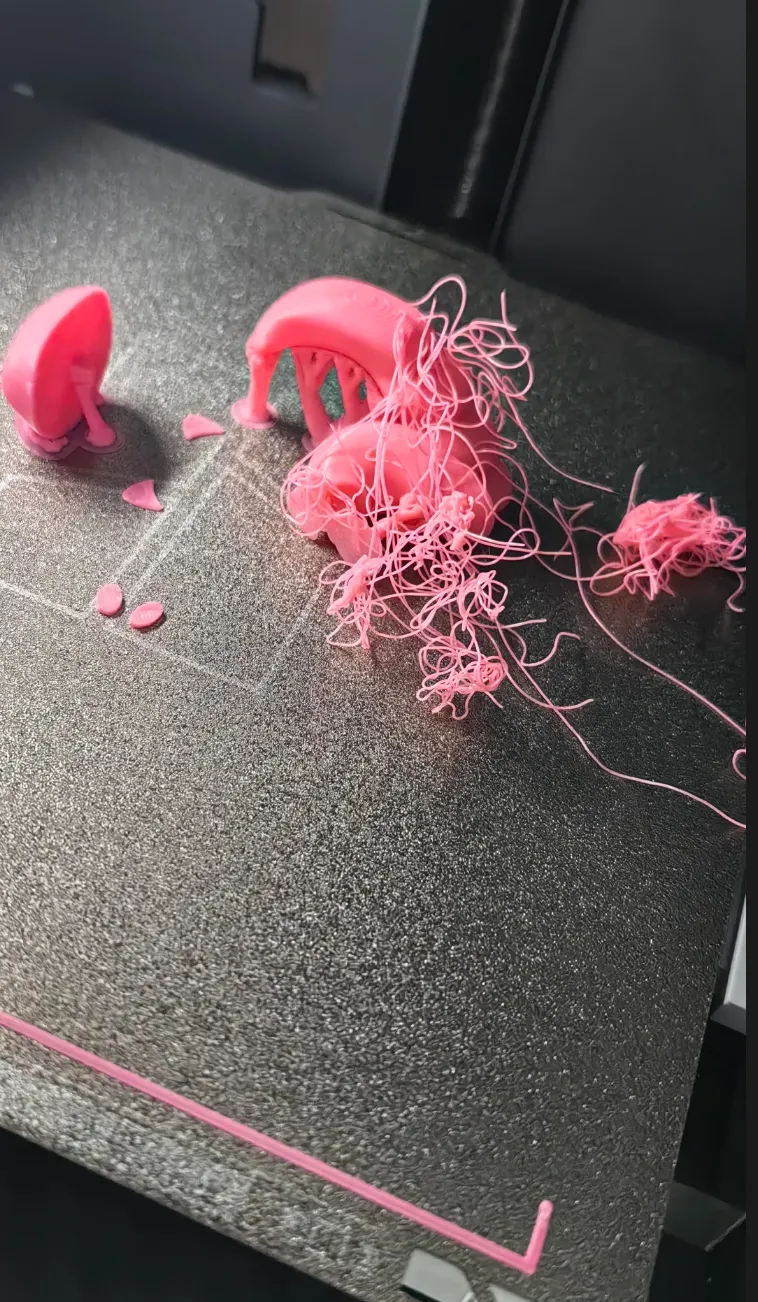
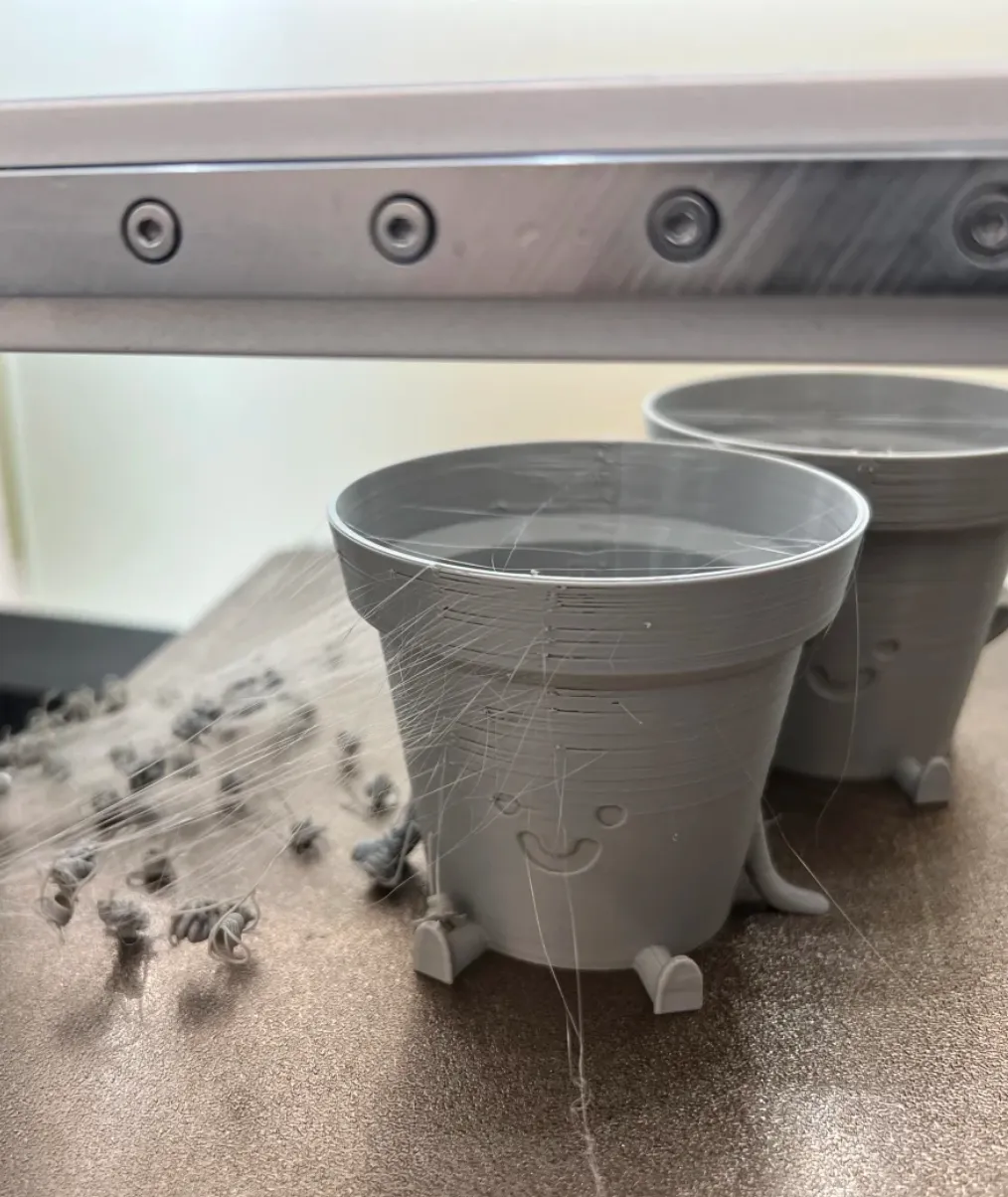
This also explains why wet PLA often produces stringing and unstable flow, as the material’s behavior becomes less predictable.
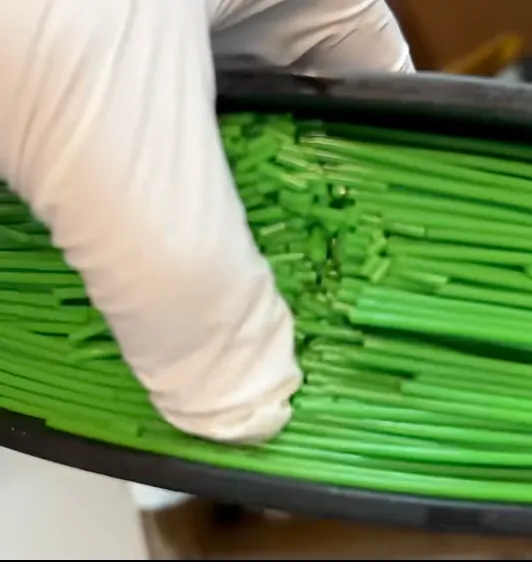
Over time, degradation becomes structural rather than just cosmetic. Hydrolysis breaks down the polymer chains, reducing molecular weight and weakening intermolecular bonding
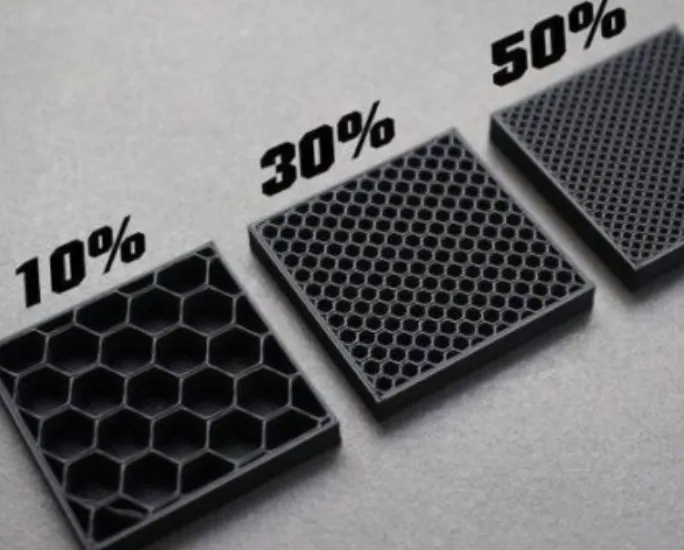
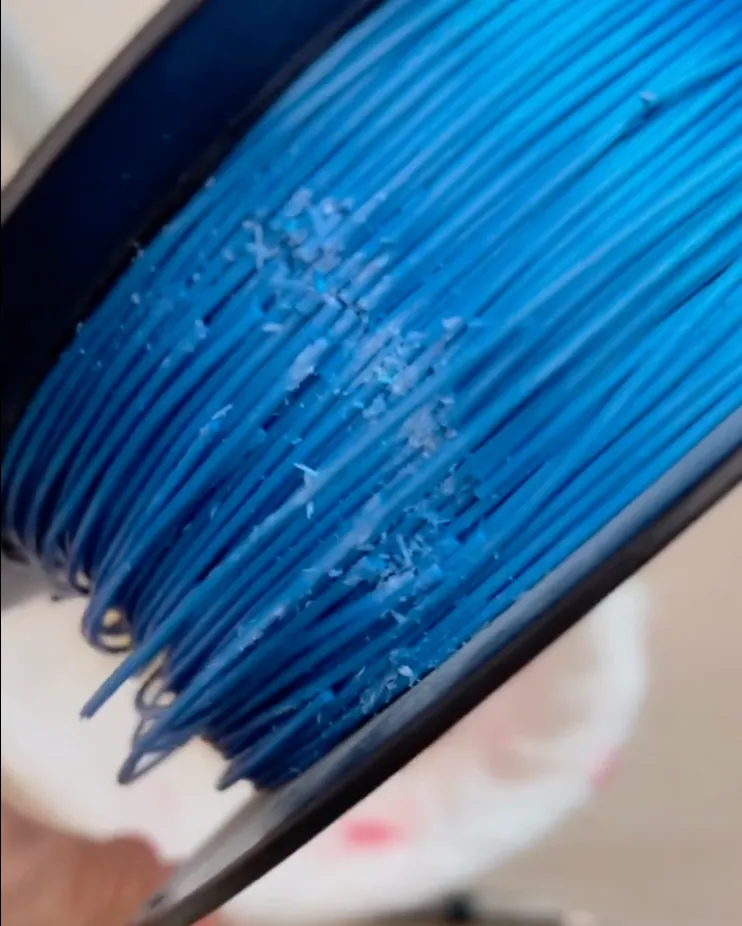
As a result, PLA becomes brittle and prone to snapping, even before printing. Studies confirm that humidity exposure can significantly reduce tensile strength and alter mechanical properties, leading to weaker printed parts and reduced layer adhesion
In practical terms, PLA rarely “fails” all at once. It will still extrude and produce prints, but the outcome is noticeably degraded—the parts may look uneven, feel weaker, and behave like they were printed on a poorly calibrated machine rather than with a stable material.
5. Can You Still Use Old PLA Filament?
Yes—but it depends entirely on the condition of the material.

If the filament has only absorbed a small amount of moisture, it can often be restored through controlled drying.
Studies show that PLA filament can release absorbed moisture through warm air drying (typically around 40–60 °C for several hours), which helps recover printability and reduce defects
This is because the primary issue in such cases is not permanent damage but temporary moisture content that affects extrusion behavior.

However, if the filament has undergone long-term degradation, especially hydrolysis, the damage becomes irreversible. Moisture not only affects print quality but also breaks down polymer chains, leading to reduced mechanical strength and increased brittleness.
Research confirms that higher moisture exposure results in weaker parts and reduced load-bearing capacity, indicating permanent structural degradation. In this state, even drying cannot restore the original material properties, and the filament will remain fragile and unreliable.
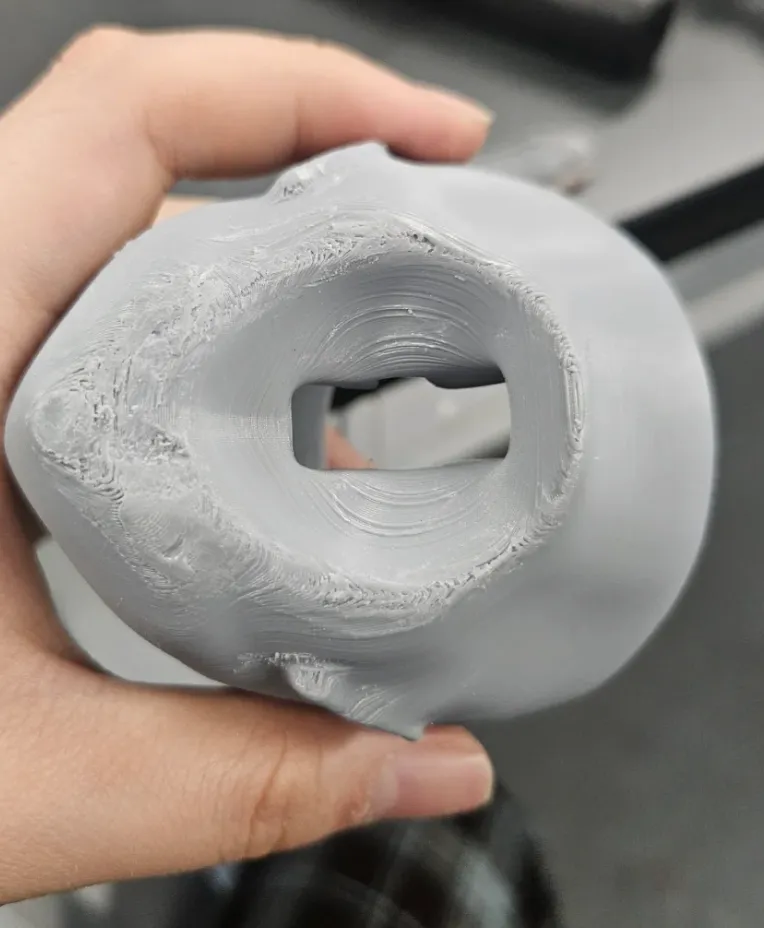
From a practical standpoint, old PLA can still extrude, but usability is not the same as reliability. If the material is already brittle or inconsistent, continuing to use it often leads to failed prints, wasted machine time, and unstable results. In most cases, using degraded filament costs more in time and failed prints than the material itself is worth.
6. How to Fix Wet PLA (Drying Methods)
Moisture-affected PLA can often be restored through controlled drying, as the primary issue is absorbed water rather than permanent structural damage—at least in early stages.
A commonly accepted and experimentally supported drying condition is 40–45 °C for 4–6 hours, which is sufficient to remove most absorbed moisture without damaging the material.
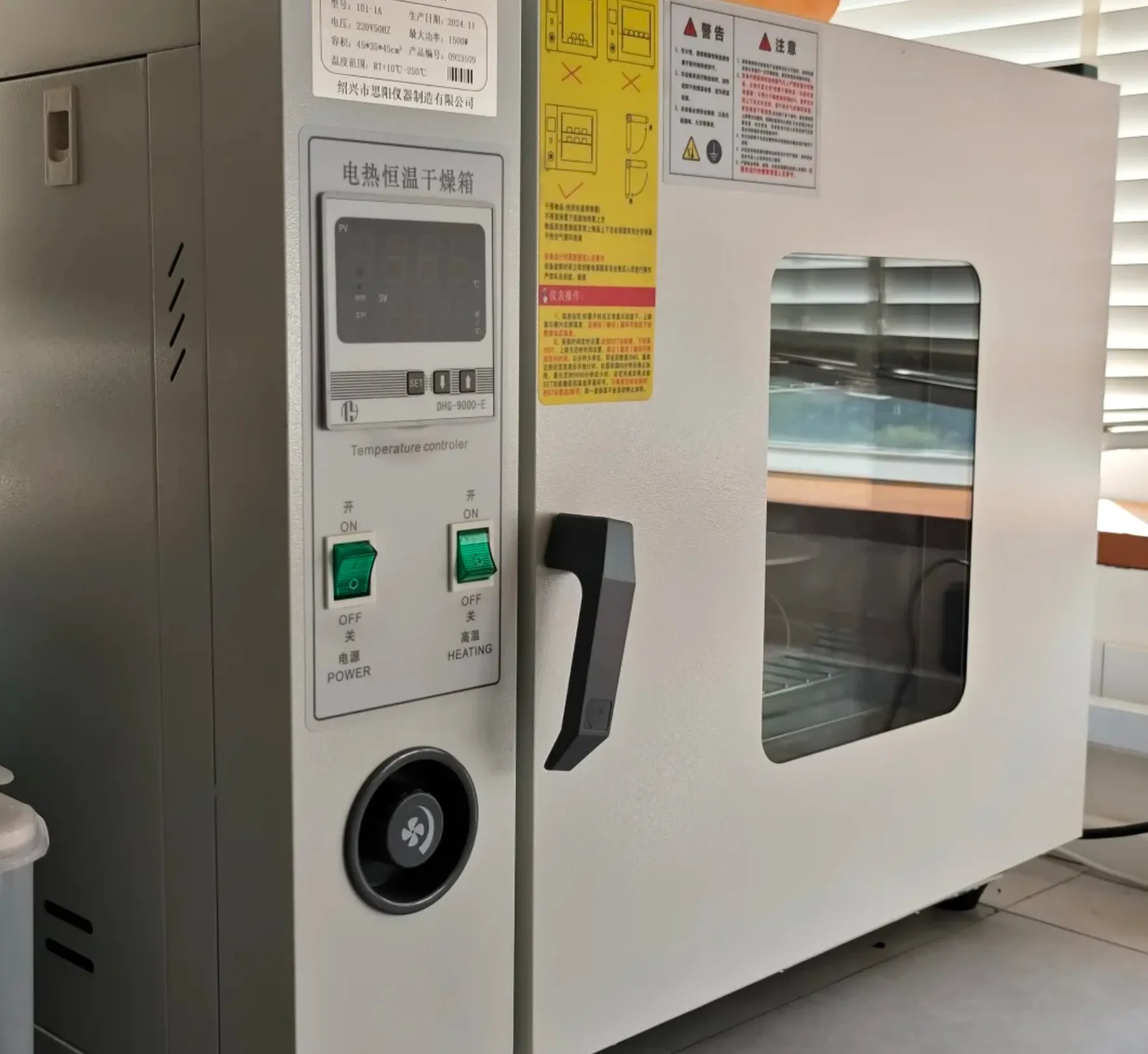
Studies on filament drying processes show that warm air drying within 40–60 °C effectively reduces moisture content in PLA, with measurable improvements in material performance after treatment
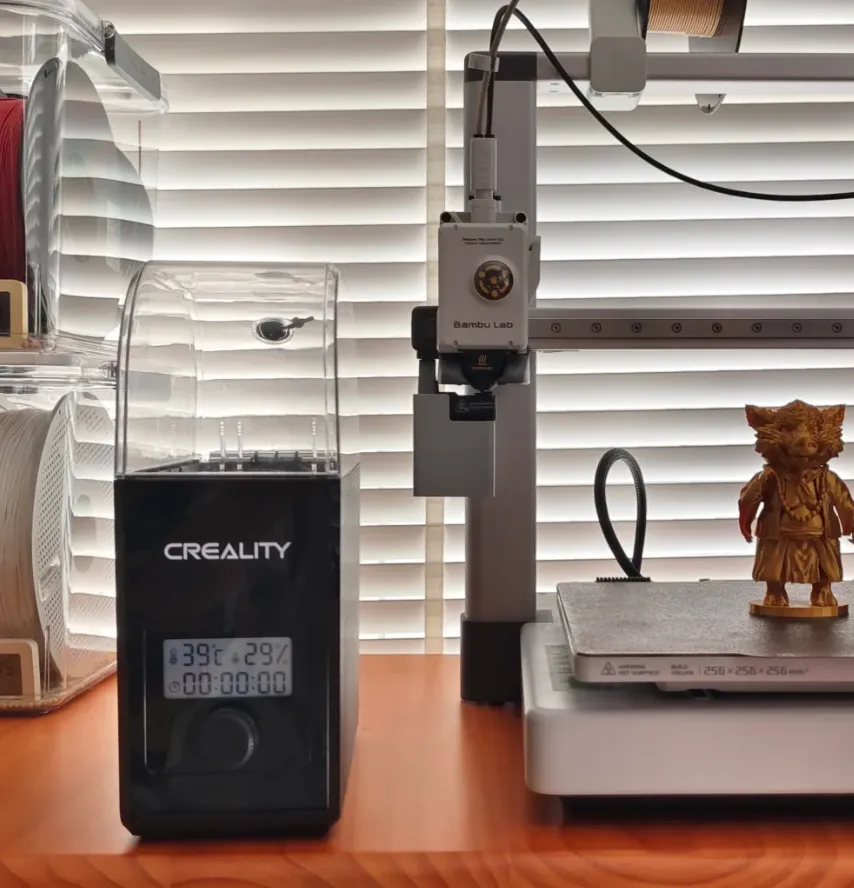
Additionally, maintaining temperatures below the material’s thermal limits is critical, as PLA has a relatively low thermal tolerance.
In practice, the most reliable tools for drying include dedicated filament dryers and food dehydrators, both of which provide controlled airflow and stable temperature. These methods are widely used because they allow consistent moisture removal without overheating the filament.
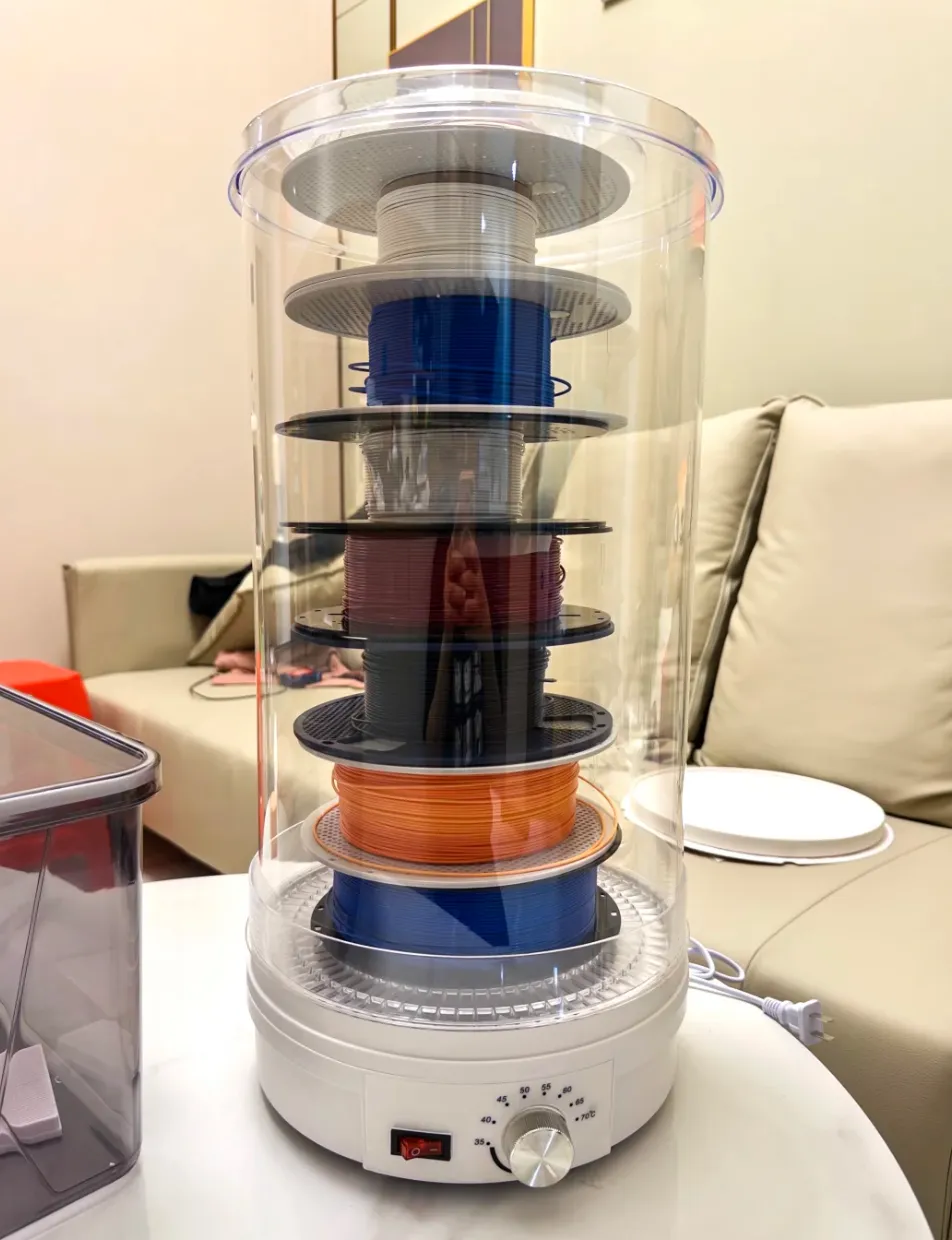
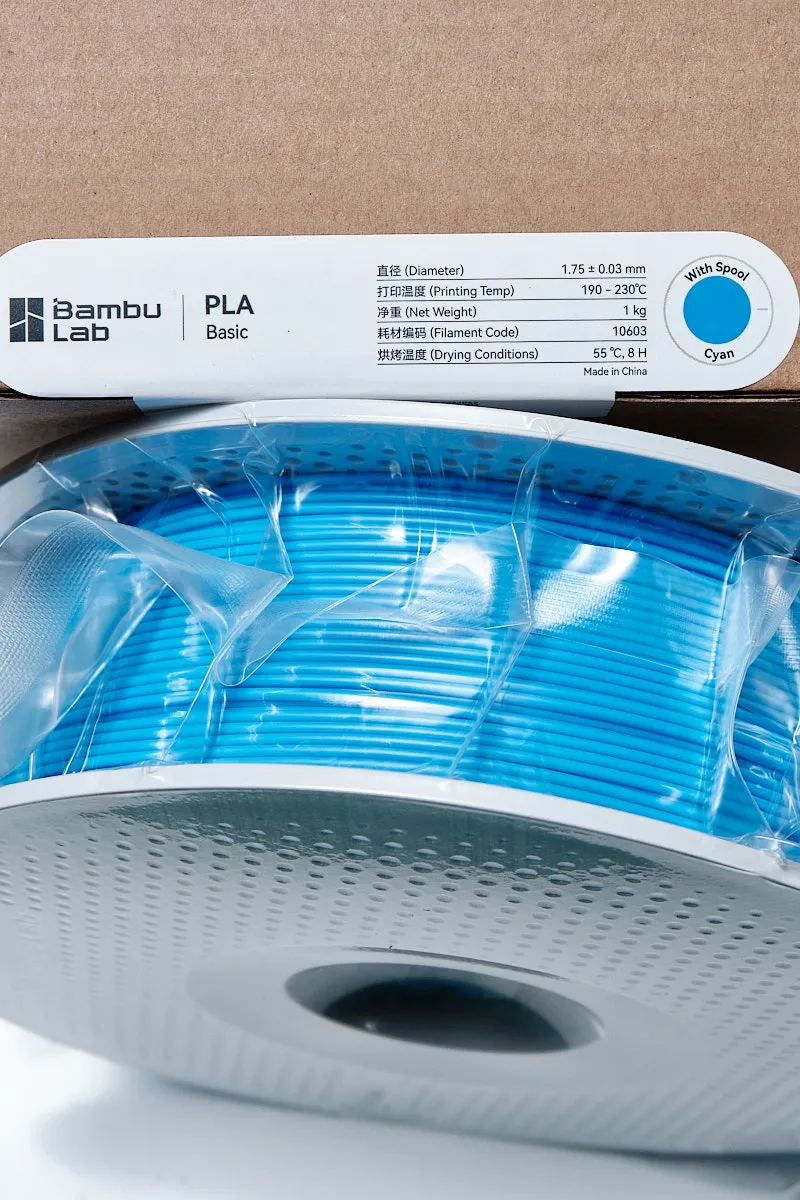
Temperature control is essential. PLA has a glass transition temperature of around 60 °C, meaning that excessive heat can cause softening, deformation, or even permanent shape distortion.
For this reason, drying temperatures should remain safely below this threshold to avoid damaging the filament spool or altering the filament geometry.
In short, drying works—but only when done within a controlled temperature range. Too little heat won’t remove moisture effectively, while too much heat risks turning the filament into a deformed, unusable material.
7. How to Store PLA Filament Properly
For more detailed storage methods and best practices, you can refer to this guide:
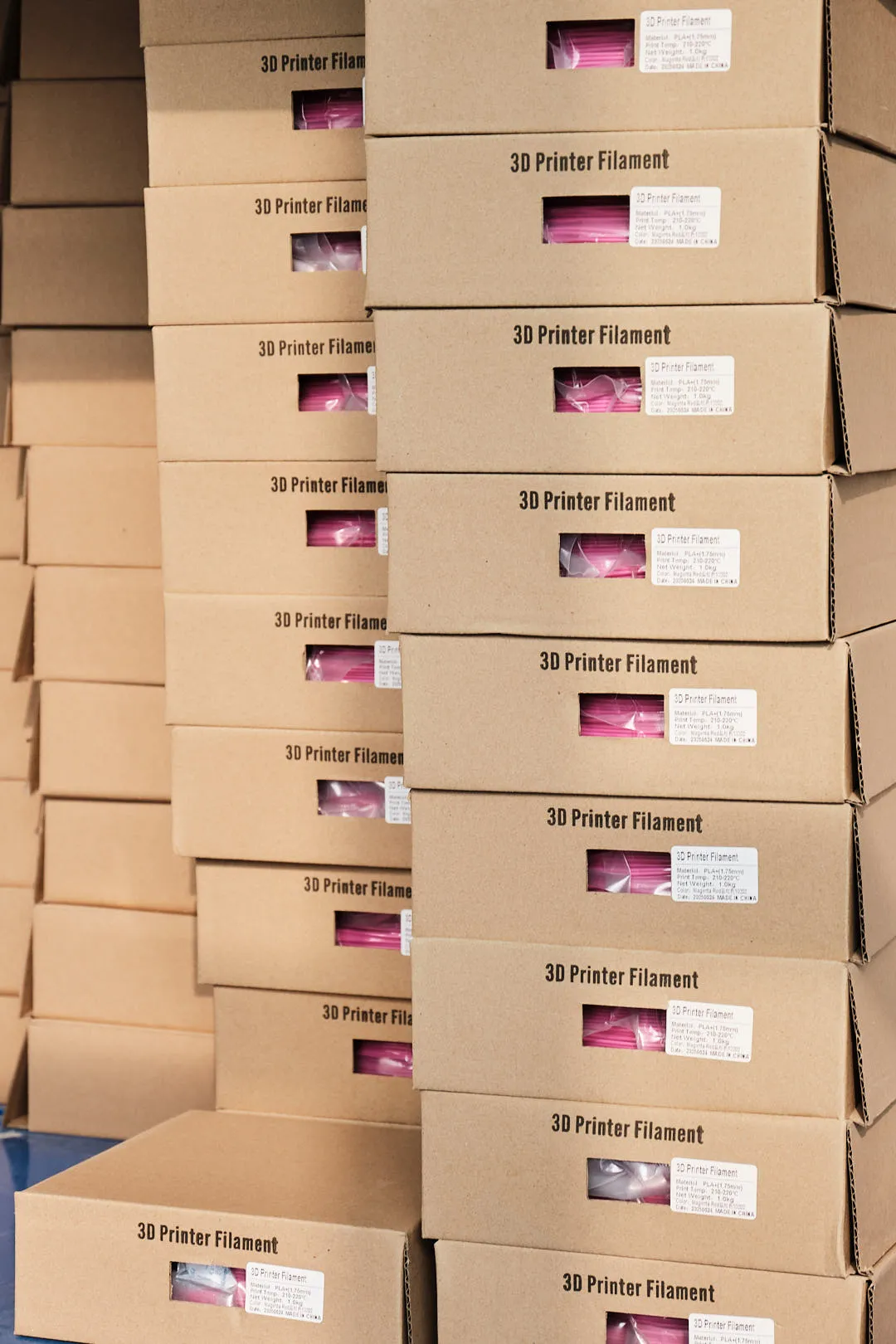
Proper storage is the most effective way to prevent PLA degradation, as moisture exposure is the primary cause of performance loss.
The goal is simple: limit contact with humid air as much as possible.
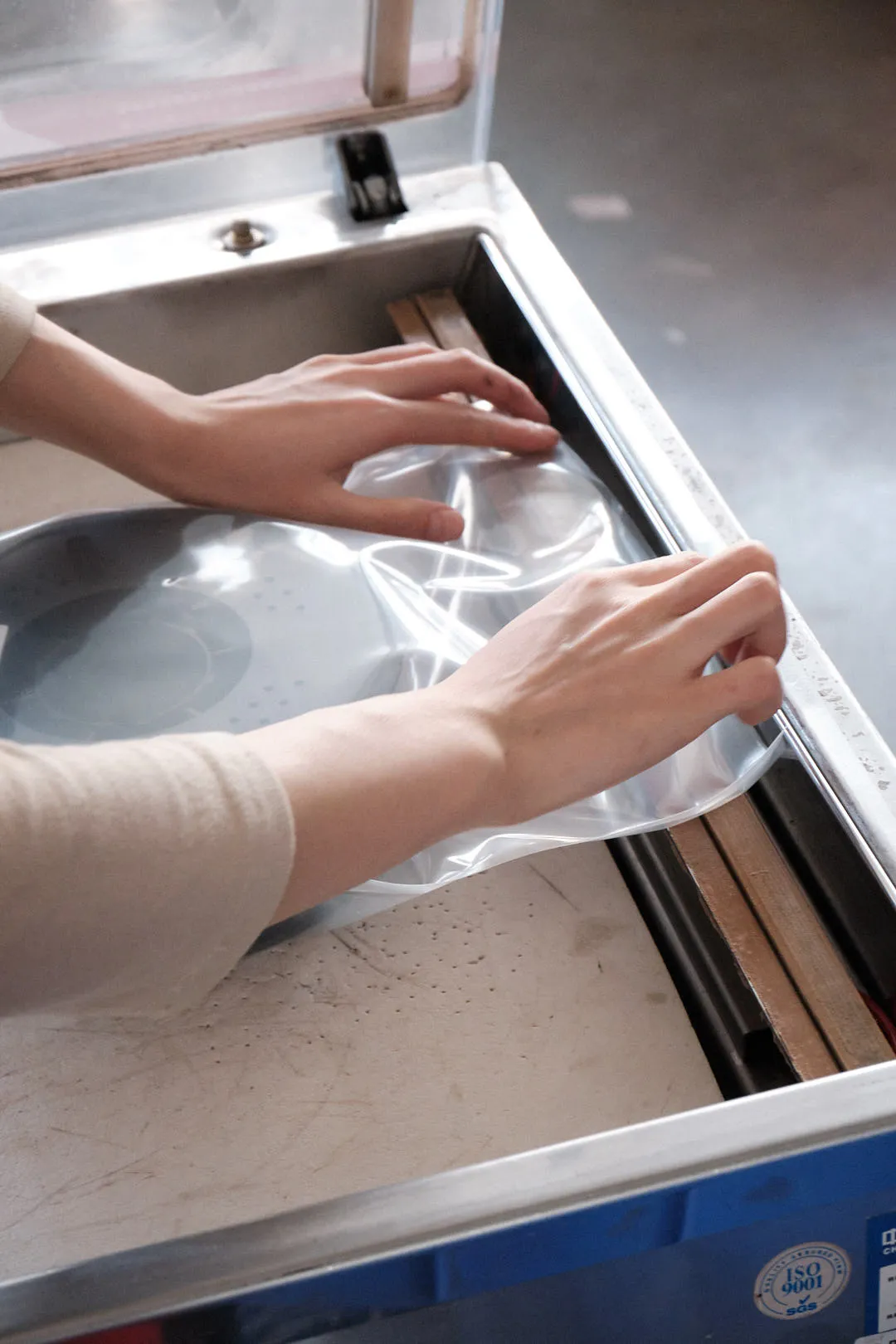
The most basic method is sealed storage with desiccants. Keeping filament in an airtight container or zip bag with silica gel helps reduce ambient moisture and slows down water absorption. This approach is widely recommended because PLA is hygroscopic and continuously absorbs moisture when exposed to air.
A more effective solution is using vacuum bags, which remove most of the air inside the packaging. By minimizing both moisture and oxygen exposure, vacuum storage significantly extends the usable lifespan of PLA, especially in humid environments.
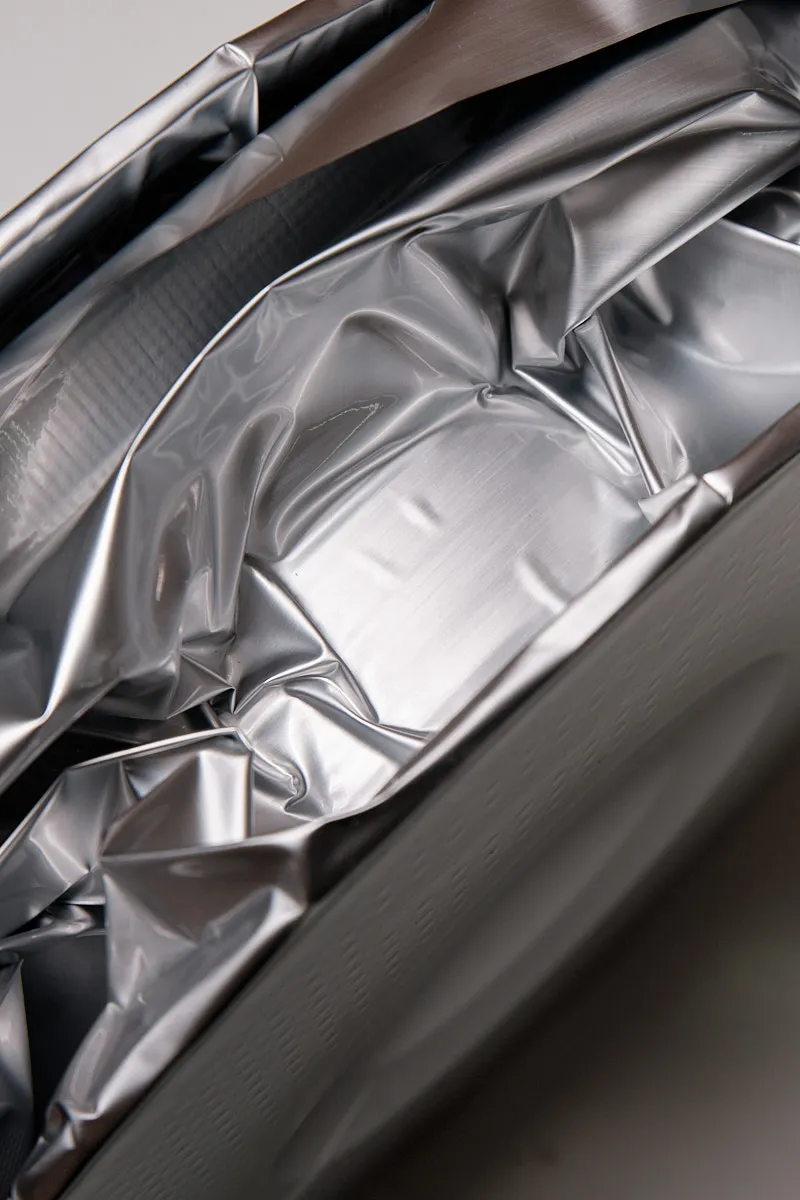
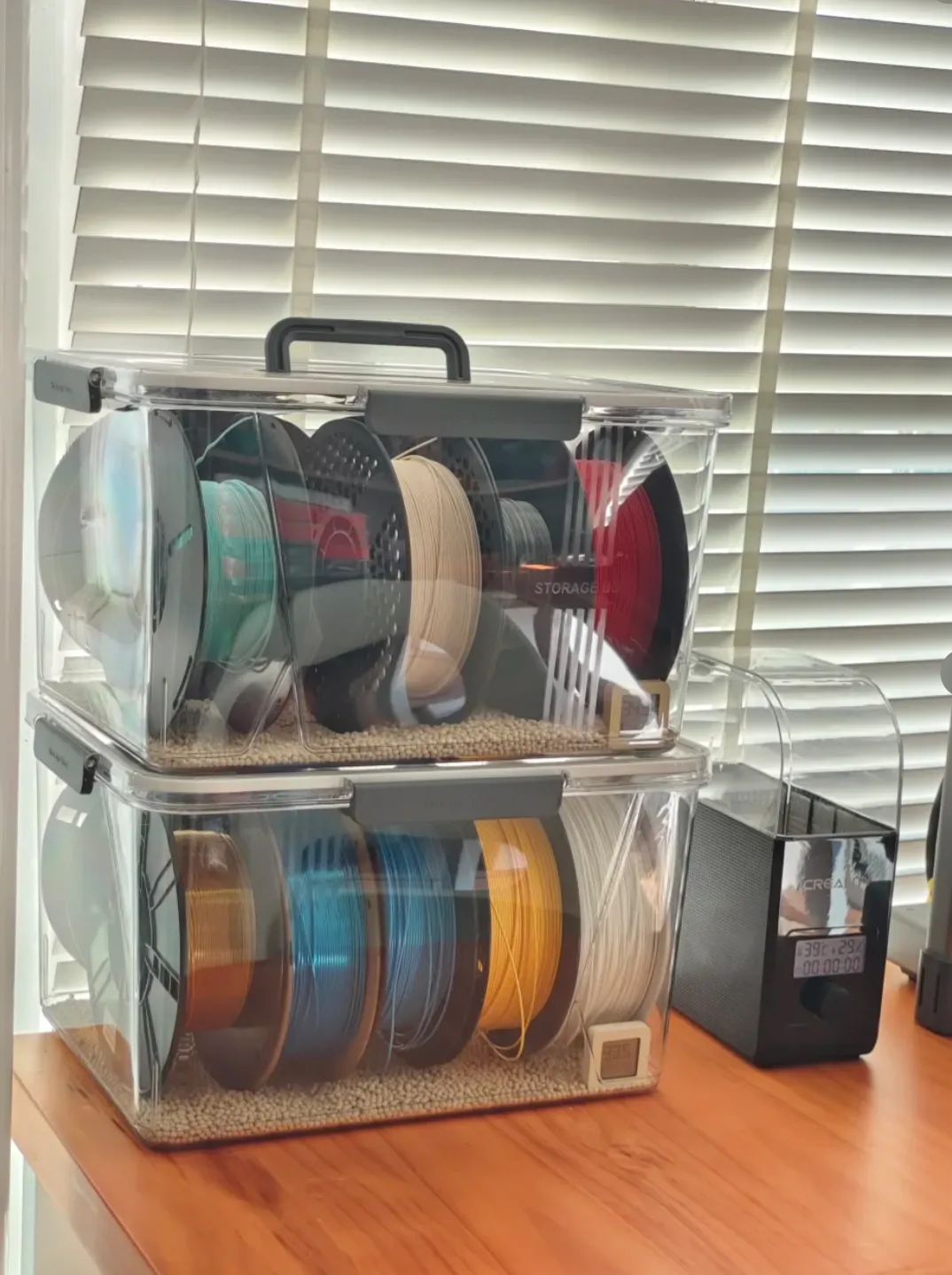
A more effective solution is using vacuum bags, which remove most of the air inside the packaging. By minimizing both moisture and oxygen exposure, vacuum storage significantly extends the usable lifespan of PLA, especially in humid environments.
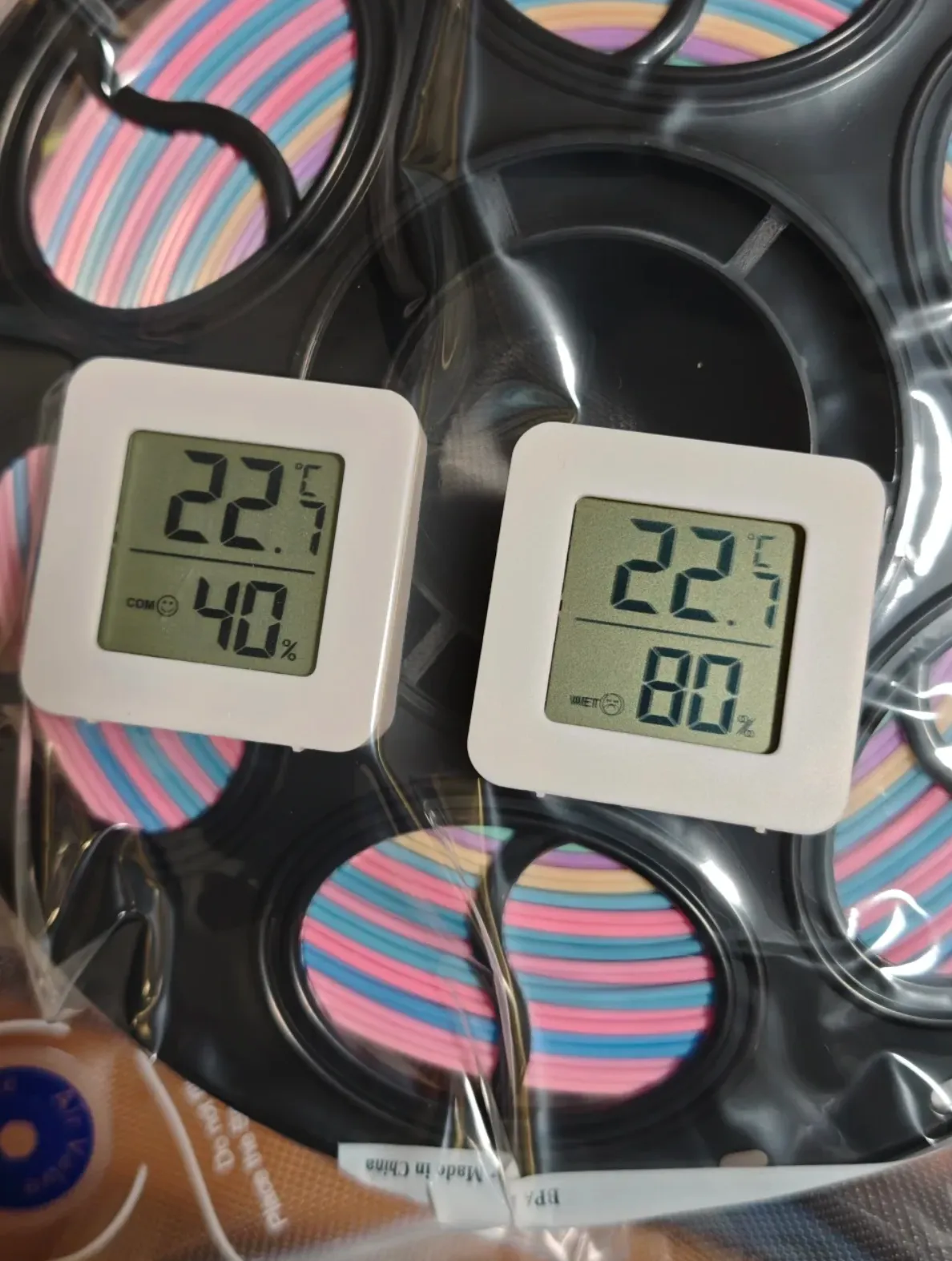
In practical terms, storage conditions matter more than time. It is generally recommended to keep PLA in an environment with relative humidity below 20–30%, as higher humidity levels accelerate moisture absorption and increase the risk of hydrolysis and print defects.
8. Does PLA Absorb Moisture Easily Compared to Other Filaments?
| Material | Moisture Sensitivity | Notes |
|---|---|---|
| PLA | ⭐⭐⭐ | Moderate moisture absorption Prone to surface defects when wet Requires basic sealed storage |
| Nylon (PA) | ⭐⭐⭐⭐⭐ | Extremely hygroscopic Rapid moisture absorption Severe print quality issues without drying |
| PETG | ⭐⭐⭐ | Moderate moisture sensitivity Less aggressive than Nylon Still benefits from drying before printing |
| ABS | ⭐⭐ | Lower moisture absorption More stable in ambient conditions Less sensitive to humidity compared to PLA |
Conclusion
PLA filament doesn’t suddenly “expire,” but it does degrade over time—primarily due to moisture absorption and environmental exposure. While short-term issues like wet filament can often be fixed through proper drying, long-term degradation such as brittleness is irreversible and directly affects print reliability.
In practice, the difference between good and bad PLA is not time, but storage. With proper sealing, low humidity, and controlled conditions, PLA can remain usable for years. Without it, performance can drop within weeks.
Additional Questions You Might Have (FAQ)
Does PLA Filament Expire After 1 Year?
PLA filament does not truly expire after one year, but its performance may decline over time, especially when stored in high-humidity environments. Moisture exposure can lead to reduced print quality and weaker mechanical properties.
Can Brittle PLA Be Restored?
Brittle PLA cannot be restored, because brittleness is caused by structural degradation of the polymer rather than moisture. Once the material becomes fragile, its original strength and flexibility cannot be recovered.
Is Wet PLA Dangerous to Print?
Wet PLA is not dangerous to print, but it can significantly affect print quality and stability. Moisture in the filament can cause bubbles, stringing, and inconsistent extrusion during the printing process.
How Do I Know If PLA Needs Drying?
PLA typically needs drying if you notice popping sounds during printing or if the surface appears rough and uneven. These signs indicate that moisture has been absorbed and is affecting extrusion quality.
OEM & Wholesale Filament Services by VoxelFuse3D
Private label and OEM filament manufacturing
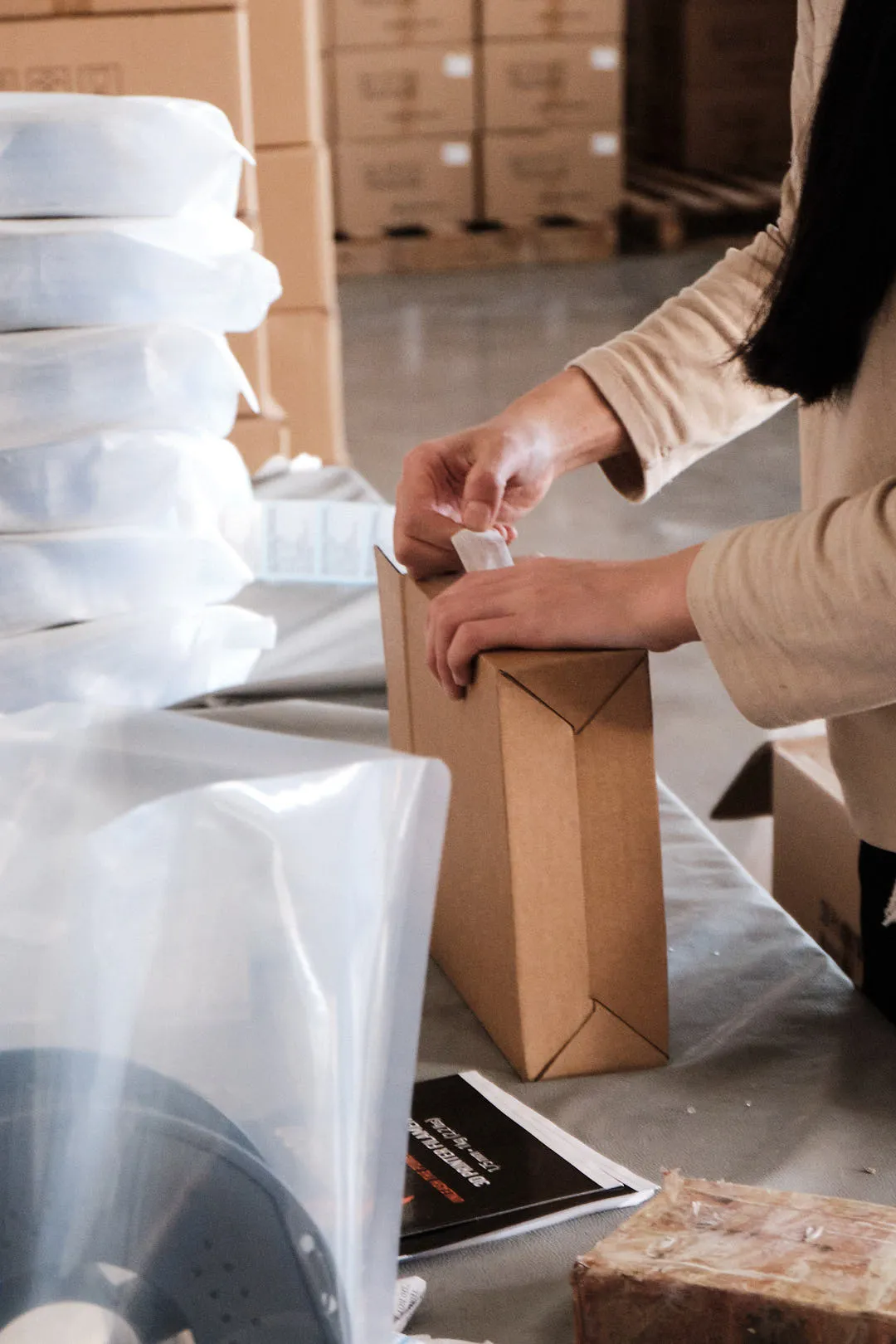
VoxelFuse3D provides OEM and private label filament manufacturing for brands and distributors.
Services include material selection, color formulation, diameter specification, packaging, and branding, with production managed under controlled manufacturing standards.
Wholesale supply of established filament brands
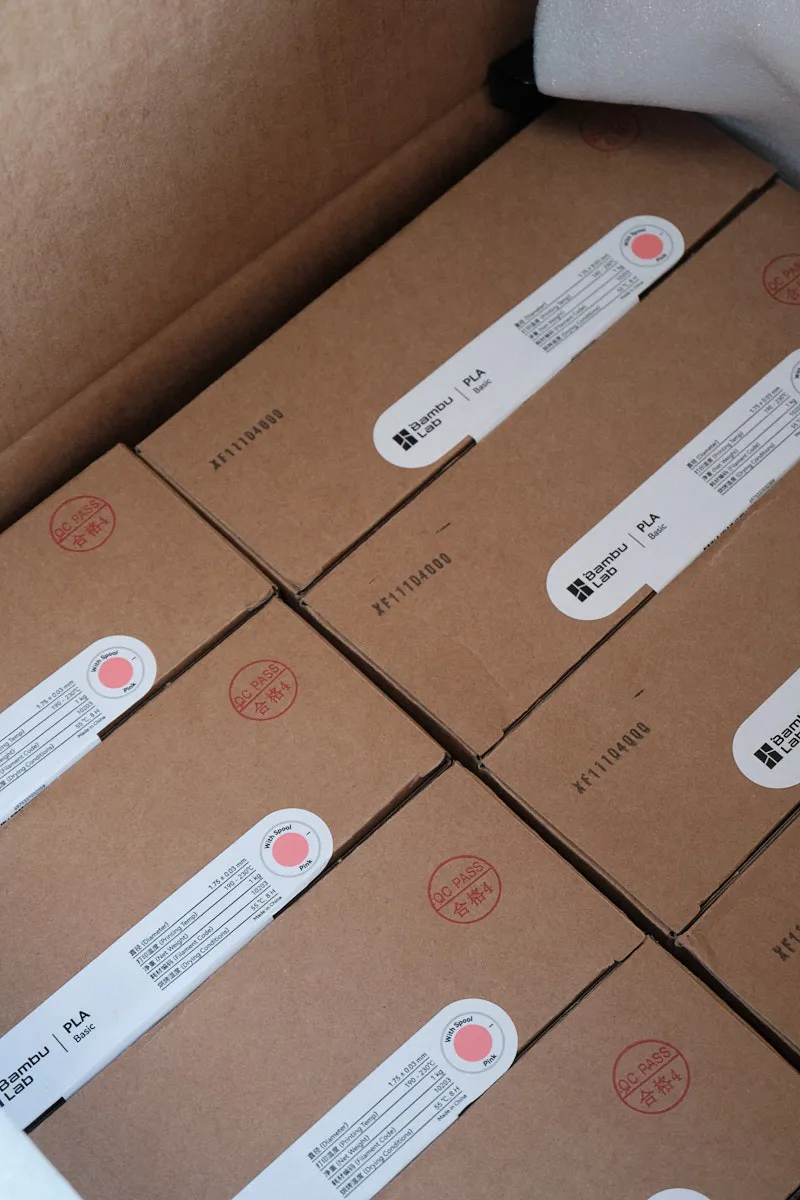
VoxelFuse3D provides OEM and private label filament manufacturing for brands and distributors.
Services include material selection, color formulation, diameter specification, packaging, and branding, with production managed under controlled manufacturing standards.
Professional sourcing with stable pricing and quality assurance
VoxelFuse3D provides OEM and private label filament manufacturing for brands and distributors.
Services include material selection, color formulation, diameter specification, packaging, and branding, with production managed under controlled manufacturing standards.